
Solo Travel Tips and Trends
Solo is not alone
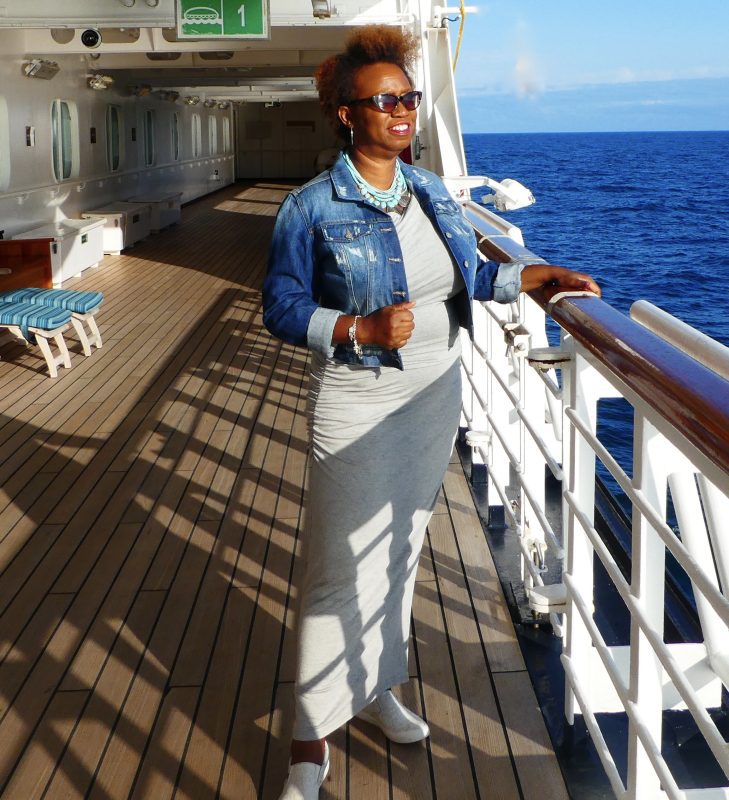
Solo travel, a form of travel where individuals explore destinations on their own, is a growing trend. I’m sharing solo travel tips and trends – solo is not alone. Despite the name, solo travel doesn’t necessarily mean being alone. It’s about the freedom to do as you please, when you please, without the constraints of group dynamics.
According to recent research by Road Scholar, a tour company offering exciting educational experiences for its mostly 50+ clients, in 2019, 38% of travelers on Road Scholar’s international holiday programs were solos. Last year, that percentage rose to 44%, and so far in 2025, 48% of participants enrolled in international programs for the winter holidays are solos.
First, what exactly is solo travel? Solo travel can be done independently or on a group tour. Essentially, solo travel is when you leave behind family and friends to embark on a trip with just “me, myself, and I.” When you go it alone or travel independently, you plan and navigate your itinerary by yourself. Solo travel can also mean group solo travel, where you join a tour or cruise alone. Either way, there are always pros and cons for any type of travel, and solo travel leans more to the pros.
Why is it trending
One main reason is that travelers find they can go solo and not be alone. Joining tour groups, travel clubs, and cruises are excellent ways to go solo and choose when you want more alone time and more “meet new friends” time.
Many solo travelers say they have waited long enough for someone else to say “yes, let’s go” and are ready to go and see the places they’ve always dreamed of. Realizing travel doesn’t have to wait for someone else’s time—the world is waiting for you.
It’s a great way to see and do what you want while joining others for group activities. You choose. The main reason is more control over your getaway. The freedom and independence
What are the benefits
- Expand your comfort zone
- Gain more self-awareness
- Gain more self-confidence
- Challenge yourself to do new things or things you’ve done before with others but now by yourself
- It can be very liberating
- Self-discovery – you may learn things you didn’t know about yourself
- You will improve your problem-solving skills
- Allows spontaneity and flexibility
- It pushes you to engage more with the destination and learn new things
- You can choose what to do and when
- More opportunities to explore
- Meet new people – make new friends
- Develop travel budgeting and planning
- Time to reflect and be alone
What are the concerns about traveling solo?
- One of the main reasons people shy away from traveling alone is feeling awkward about being alone and being seen by themselves, especially during meal times. Eating alone, unfortunately, has the image of being alone in a negative way. While traveling solo you’ll receive invites to join others for meals.That’s choice; sometimes you may want to have a meal alone but know the offers are there to join others.
- Purchase medical insurance as part of your travel insurance. Medical evacuation insurance is also important for international trips. In an emergency you’ll want the security of knowing it’s there as you work through the details without a family member or travel buddy. For travel insurance, Allianz Travel Insurance has options which will fit your needs. Medjet offers options for medical emergencies and evacuations.
- Feeling lonely—this can happen. While most tips and info around solo travel focus on the fun part, you can get lonely. Prepare for those times with books to read, games you may like, or a call home to friends where you can share your daily activities. It’s also an excellent time to embrace the loneliness and reflect—why are you feeling lonely? What does that tell you about traveling alone?
- More awareness of your safety – it’s fun to meet new people, but there is also an awareness and limitation to how much you share and how open you are.
- Travel mainly during the daylight hours—this is true for both men and women, especially for women. Plan your days to be in a familiar place at nightfall.
- If you’re on a road trip, park as close to the door as you’ll use to unpack and pack your car.
- Be aware of your surroundings.
- Map out your routing using GPS or maps—download the routing. As you drive around you may lose GPS reception.
- Leave a copy of your itinerary with family and friends.
- Make copies of any essential documents as a back up.
Budget pros and cons
Pros
- You’re only paying for one—if you usually travel with family, this is your chance to save money with a budget planned for one.
- You’re planning, so do your research for deals and book early. Set up monitoring of fees and fares, especially for flights – Google Travel is a good source.
Cons
- Single supplement fees means more money. Cruises generally charge single supplement fees.
- Loss or stolen credit card, passport means you’re on your own to cover the replacement. The need for credit card replacement can mean not having access to your funds/money. Bring along some cash – it’s still king in an emergency.
Tips for creating a solid and tight budget –
- There are ways to avoid single supplements. Tours and most cruise lines will charge a single supplement when traveling alone. This is all about the money. One traveler now books the cruise cabin they could sell for two travelers – they want to cover some of the loss fees with a supplement. Ask if there is a single supplement fee. Some cruise lines may waive it, double-check close to sailing dates when excess cabins may be available, and they want to fill them. Search for tours and cruises that offer no additional fees for solo travelers
- Choose tour companies wisely – ask if the quoted rates cover everything.
- There are websites with offer deals. Check their deals-pages for discount offers.
- Book early; however, last-minute deals can be available. When booking early, check for any cancellation penalties if you find something less expensive later in your planning.
- Book at the last minute – this can be an advantage. This one can be tricky.
- Call and ask – we mostly use online, but the old-fashioned way of picking up the phone and calling is still a way to ensure you get all your questions answered.
- Travel in the shoulder season—for most regions, shoulder months include March, April, September, October, and November. However, this could be different for areas with seasons that are different from your home.
- Book accommodation ahead of time. Waiting until the last minute could mean you don’t get your ideal location. Ask about cancellation fees.
- Buy travel insurance. Things happen, and if you need to cancel, you’ll want a refund on as much of your vacation as possible.
- Flight and deals monitoring sites
- Airfare watchdog
- priceline.com
- Google flights
- Skyscanner
- Expedia
- Hopper
- Hotel Tonight
- booking.com
- Travelzoo
- Kayak
Where are the solo traveler deals?
Most cruise lines that offer single or solo deals have a couple of cabins with no single supplement. Book early for the no-single supplement. Also, remember that these cabins may not be your prime cabins.
Cruise lines do a great job of planning activities for solo travelers onboard. And some tours/excursions are geared toward solo travelers.
Cruise lines offering free or reduced fees:
-Windstar Cruises – will waive or reduce fees on specific itineraries
-Adventure Canada Expedition crises – Offers single cabins
-Princess cruises
-Norwegian Cruise Line
-Star Clippers – sailing ships
-Uniworld
-AmaWaterways
There are roommate matching services – Active Adventures
Check out travel groups on social media
Traveling solo is a favorite way for me to travel. I enjoy the excitement around every corner that is part of finding destinations on my own. Meeting new friends around the globe extends my circle of friends and makes love sharing solo travel tips and trends – solo is not alone. Give it a try.
Leave your comments on your solo travels.

0 Comments