
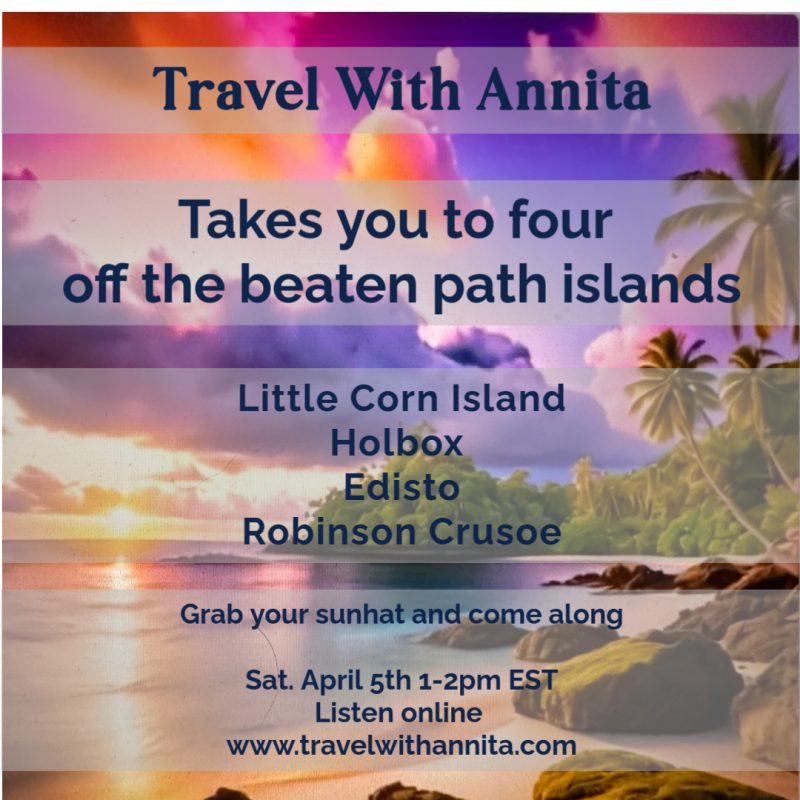
 Four Off The Beaten Path Islands
Find your favorite
come back again & again
Little Corn Island

History
Little Corn Island, along with its larger counterpart Great Corn Island also called Big Corn Island, has a multifaceted history. Originally inhabited by indigenous groups such as the Miskito and Rama peoples, the islands later became refuges for British and Dutch pirates during the 17th century, attracted by the calm bays and passing Spanish galleons laden with gold.
In the late 18th century, the islands saw the arrival of enslaved Africans, primarily from neighboring islands like Providencia and San Andrés, brought to work on plantations established by British settlers. Remnants of this era, such as the Daruda Slave Well and plantation boundary walls, still stand as somber reminders of the past.
Culture and People
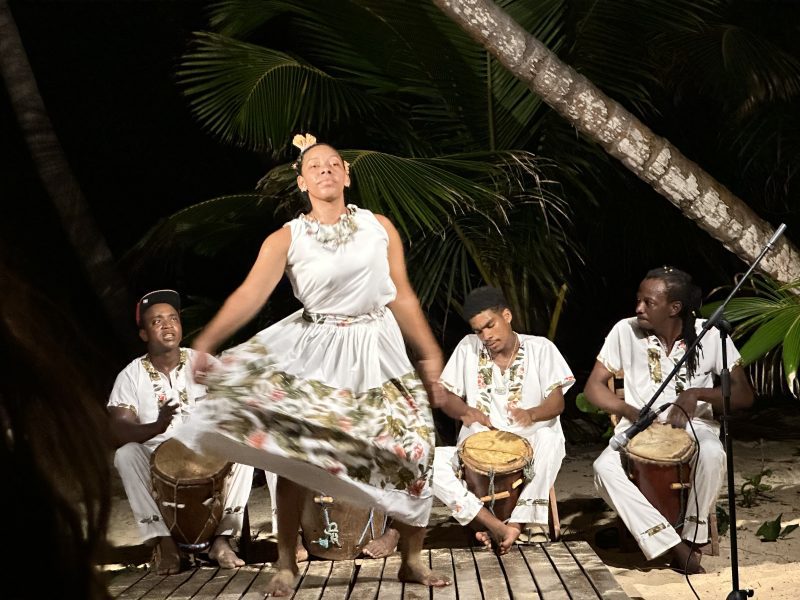
Today, Little Corn Island boasts a diverse cultural tapestry woven from African, British, indigenous, and Spanish influences. The islanders, primarily Afro-descendant Creole people, are renowned for their warm hospitality and strong connection to their heritage. Languages commonly spoken include Creole English, Miskito, and Spanish, reflecting the island’s multicultural roots.
Cuisine
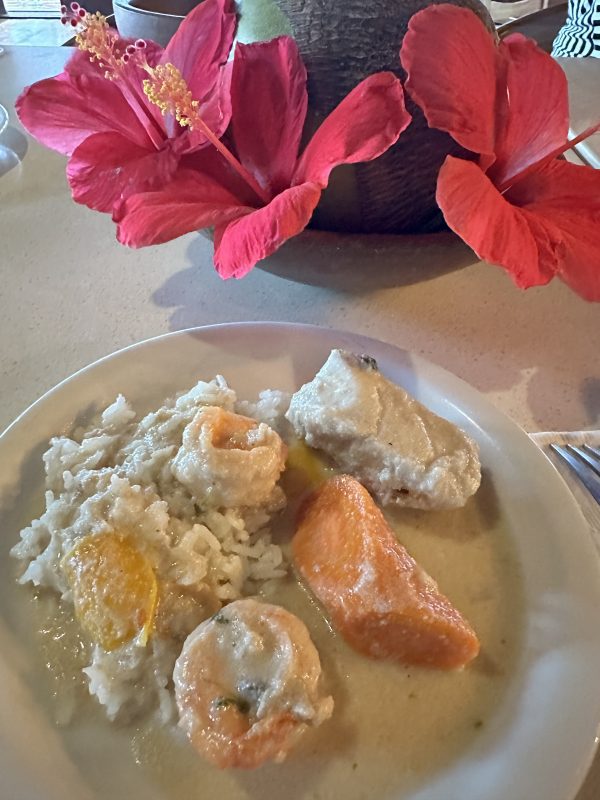
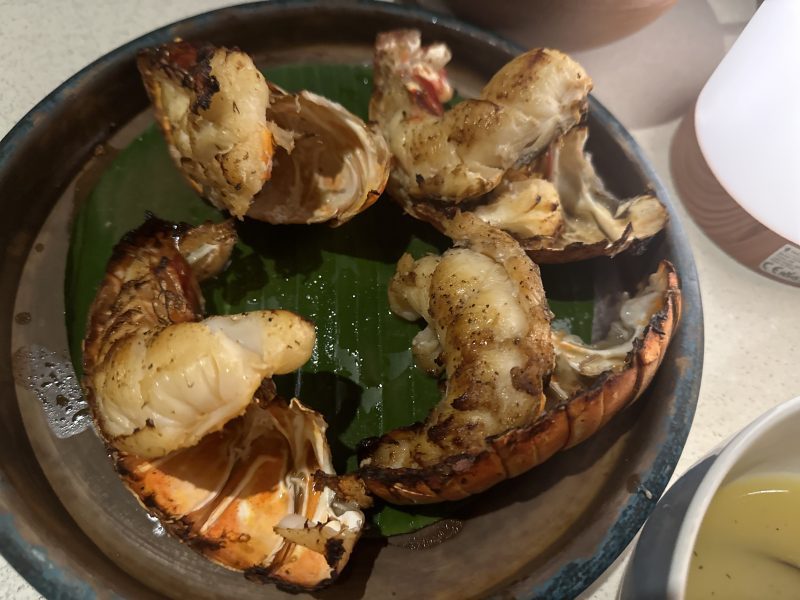
The island’s culinary scene is a flavorful fusion of its cultural influences. A staple dish I love Crab Soup: A hearty dish commemorating the abolition of slavery, traditionally prepared during annual celebrations. Also, Coconut Bread: A soft bread made with coconut milk, sometimes fried and served with seafood dishes.
Accommodations
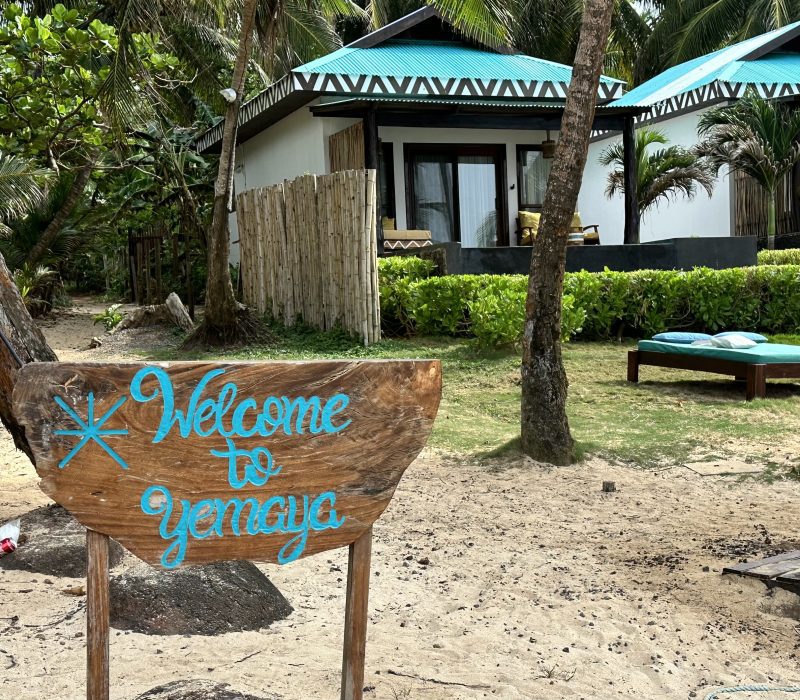
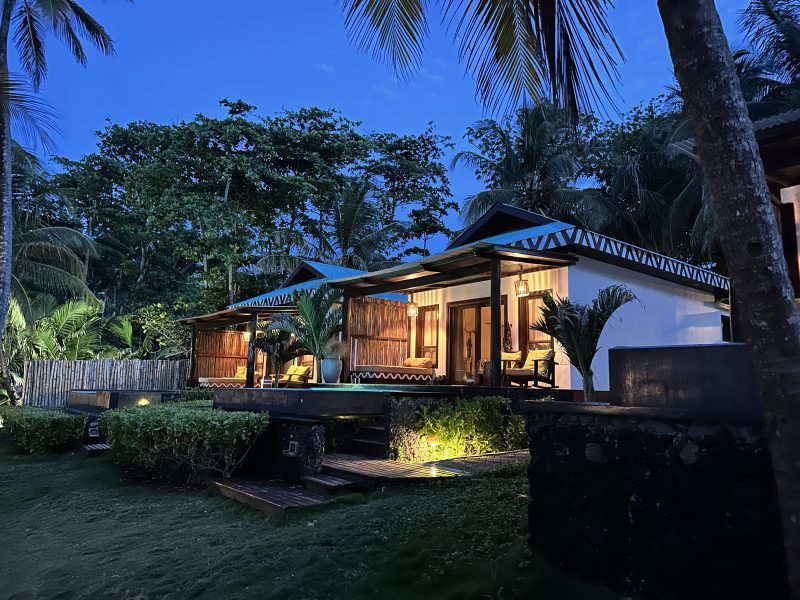
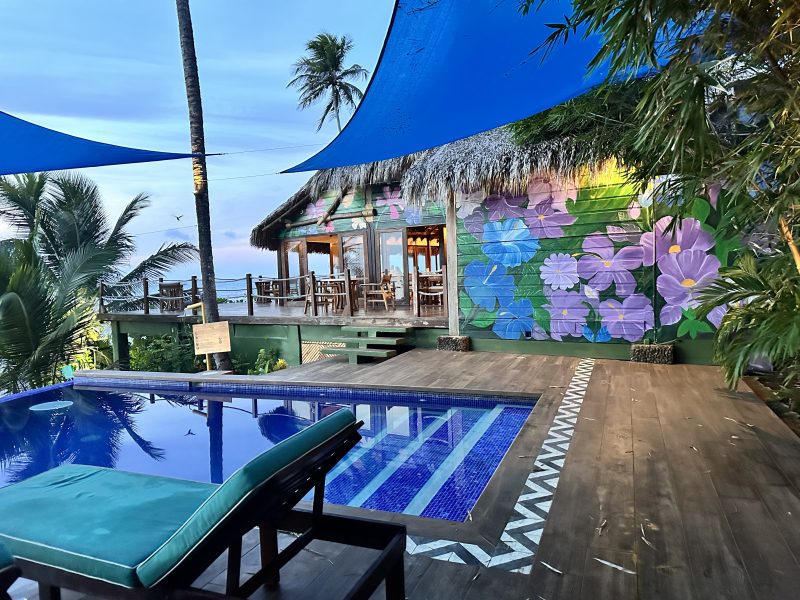
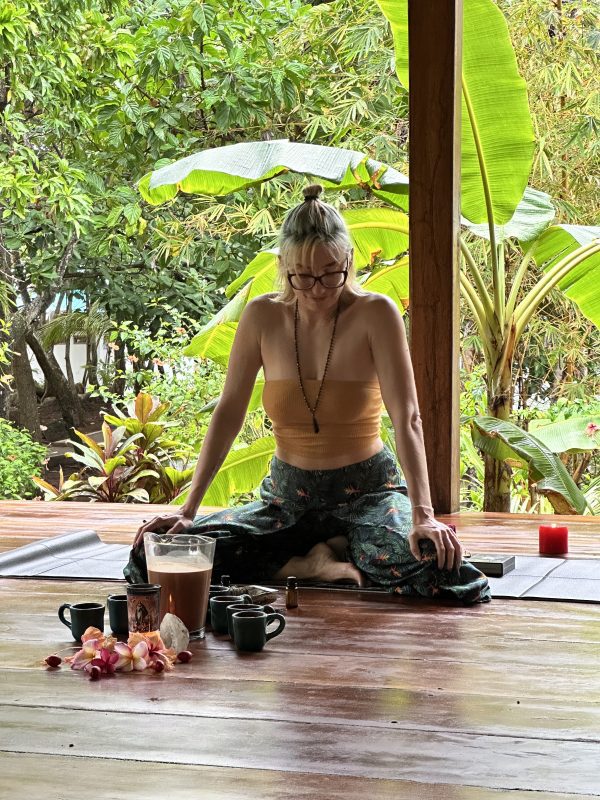
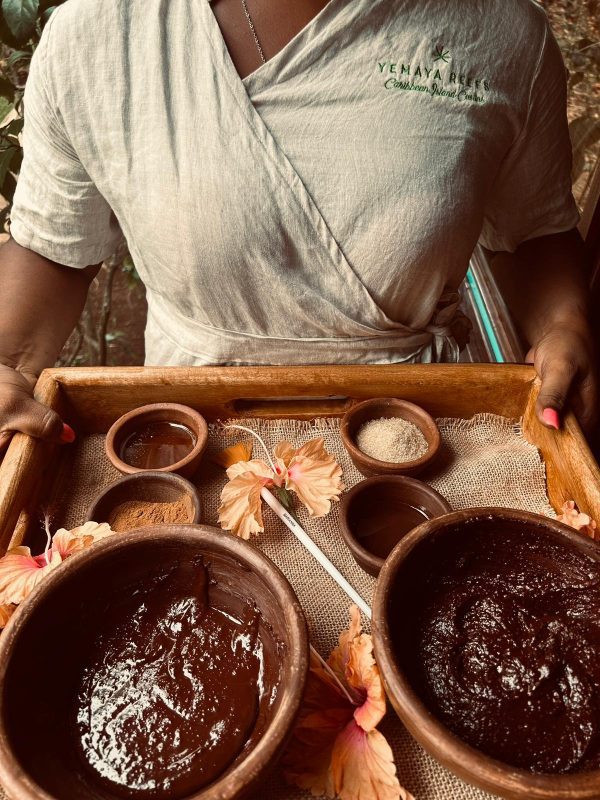
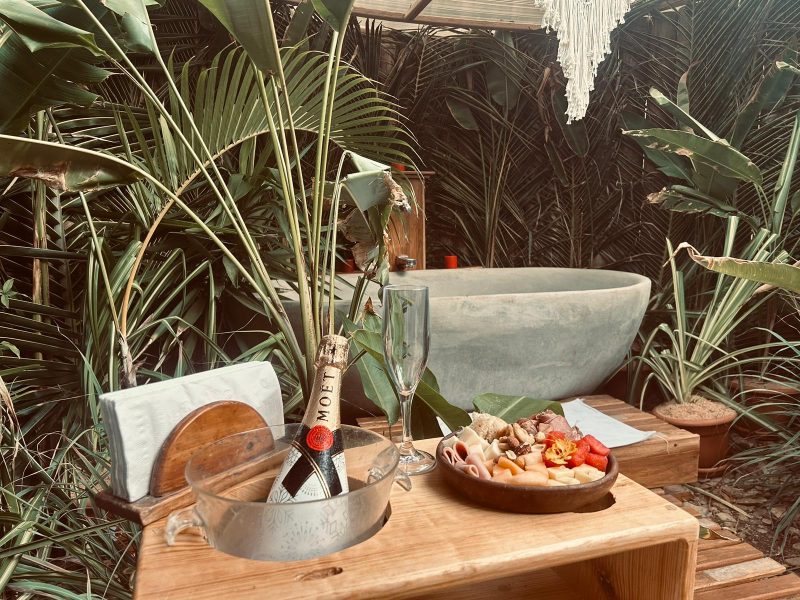
Despite its small size, Little Corn Island offers a range of accommodations to suit various preferences and my favorite is Yemaya Reefs a luxury resort on the water, right on the beach.
Agriculture
Historically, the island’s economy revolved around coconut production, with coconuts either processed locally into oil or shipped as copra to the United States for processing. Today, while tourism plays a significant role, local agriculture continues to feature coconut cultivation, along with other tropical fruits and subsistence farming.
Connection to the Slave Trade
The legacy of slavery is an integral part of the island’s history. Enslaved Africans were brought to the Corn Islands to work on plantations, and their descendants form a significant portion of the current population. The abolition of slavery in 1841 is commemorated annually, with celebrations reflecting the community’s resilience and cultural heritage.
Getting There
Reaching Little Corn Island involves a combination of air and sea travel:
-
Flight to Great Corn Island: Domestic flights from Managua or Bluefields arrive twice daily at Corn Island Airport.
-
Boat to Little Corn Island: From Great Corn Island, motorboats (locally known as “pangas”) depart twice daily, typically at 10:00 a.m. and 4:00 p.m., from the main municipal dock in Brig Bay. The journey takes approximately 30 minutes, offering scenic views en route.
Little Corn Island is a captivating destination where history, culture, and natural beauty converge. Its serene environment, rich heritage, and welcoming community offer a unique and enriching experience for travelers seeking an off-the-beaten-path adventure.

Holbox

Isla Holbox, a serene island off Mexico’s Yucatán Peninsula, offers a rich tapestry of history, vibrant culture, and enticing attractions that make it a compelling destination.
History and Culture
The island’s story begins over 1,500 years ago with the ancient Maya civilization, who utilized Holbox as a strategic point in their extensive trade network. The name “Holbox” itself is derived from the Mayan language, meaning “black hole,” a reference to the dark waters of the nearby Yalahau lagoon.
In the 16th century, the island’s secluded location made it a favored hideout for pirates such as Jean Lafitte. By the 19th century, settlers from the mainland established a village, and despite challenges like the devastating hurricane of 1886, the resilient inhabitants rebuilt their community, firmly rooting themselves on the island.
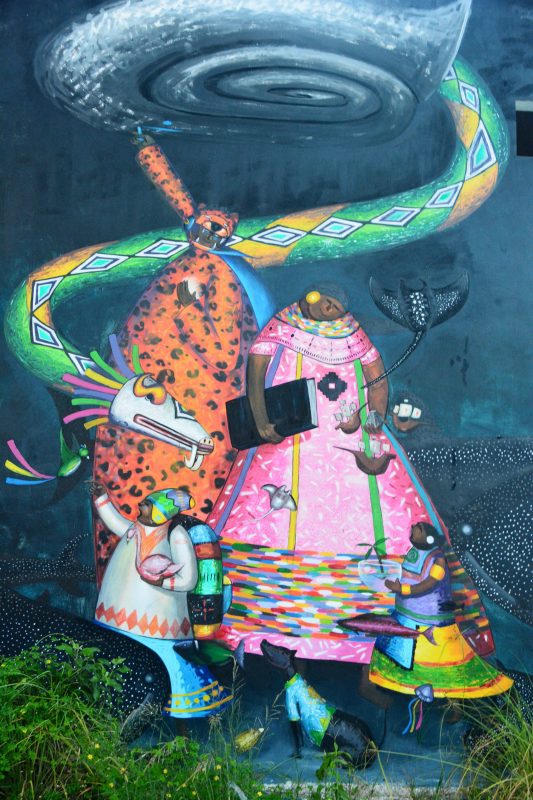
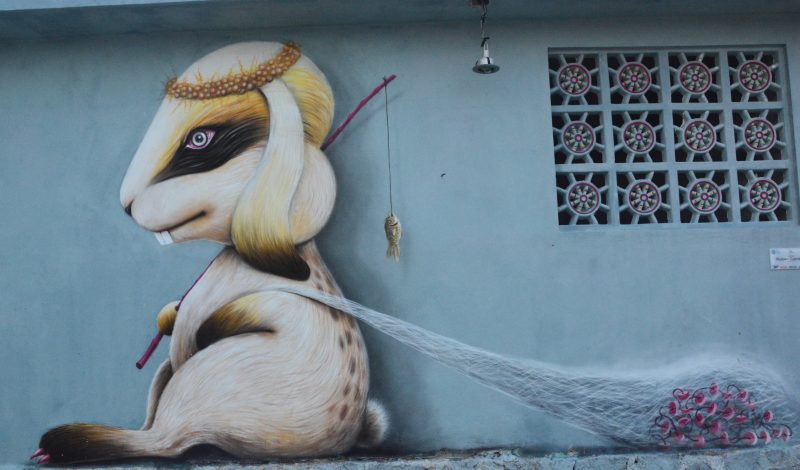
Today, Holbox’s culture is a vibrant blend of Mexican and Caribbean influences. The town center bursts with colorful murals and street art, reflecting the island’s artistic spirit. Music and dance are integral to local festivities, showcasing the community’s lively traditions.
Accommodations
Holbox offers a range of accommodations to suit various preferences:
-
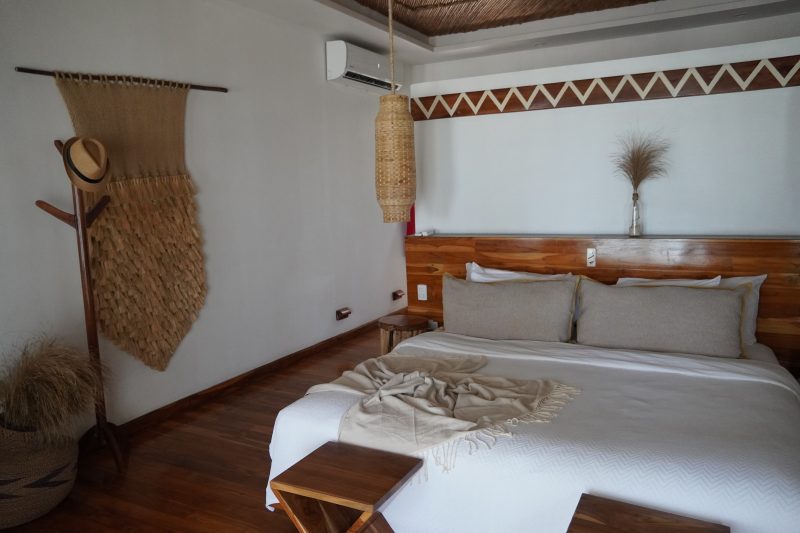
Known for its beachfront location and intimate setting, providing a luxurious stay with stunning sea views are available. Or how about a boutique hotel emphasizing sustainability and wellness, offering unique experiences that connect guests with nature. There are 4-star properties offers beachfront access and a pool, providing good value for its amenities.
Dining
Culinary delights abound on the island are filled with seafood and my favorite are the tacos.
-
Taco Queto: Offers authentic Mexican tacos with a variety of fillings, providing a true taste of local cuisine.
Must-See and Must-Do
Holbox’s natural beauty and unique activities are not to be missed:
-
Bioluminescent Beaches: Witness the mesmerizing natural light show caused by bioluminescent plankton illuminating the shores at night.
-
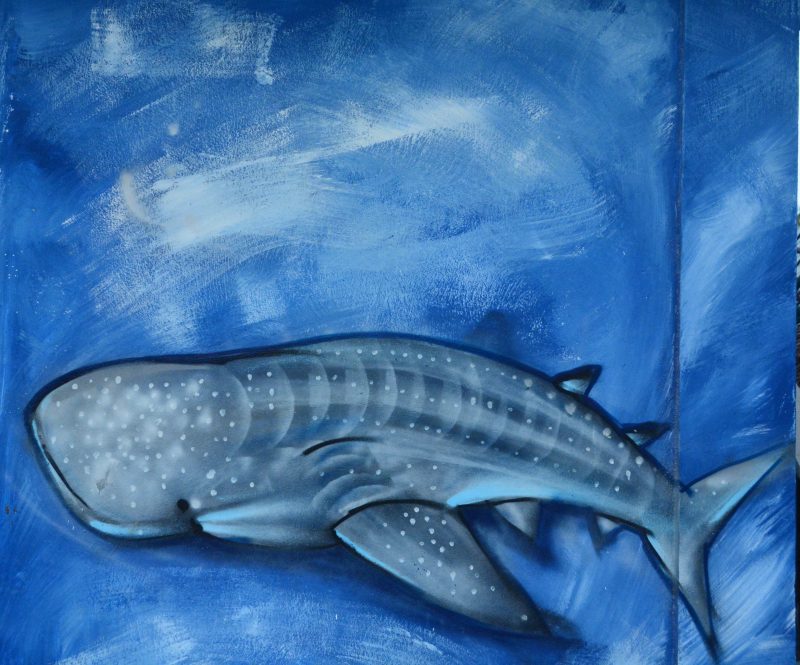
Whale Shark Tours: Between June and September, swim alongside these gentle giants for an unforgettable experience.
-
Street Art Exploration: Stroll through the town to admire the vibrant murals that adorn buildings, each telling a story of the island’s heritage.
Isla Holbox’s blend of historical depth, cultural richness, and natural wonders offers a distinctive and enriching experience for travelers seeking both relaxation and adventure.
Edisto Island, South Carolina
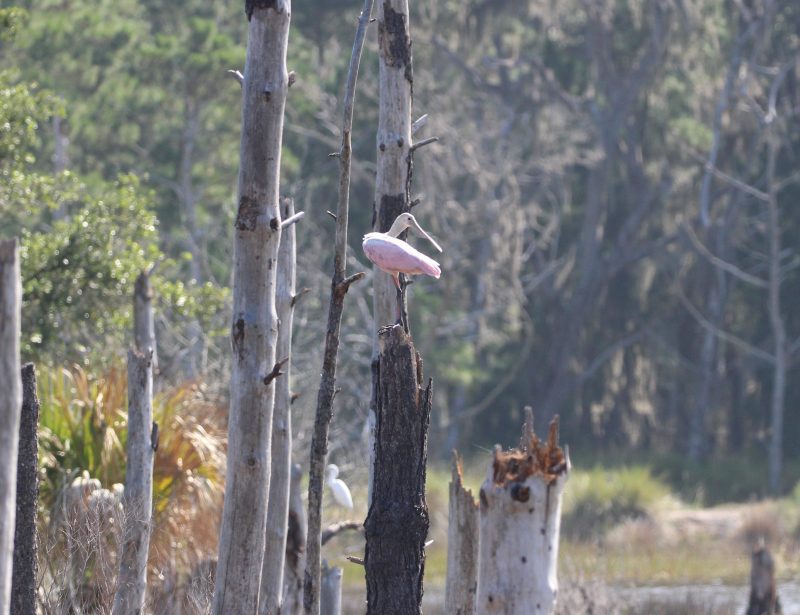
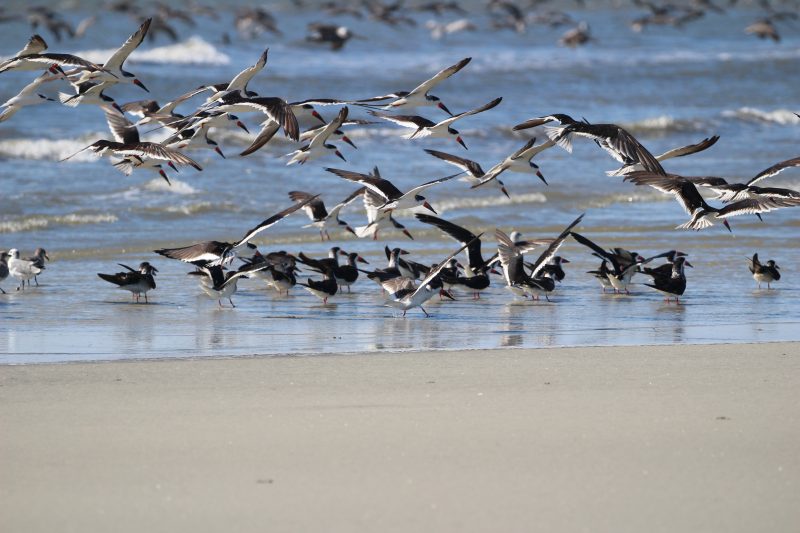
Edisto Island, located along South Carolina’s coast, offers a serene retreat rich in history, culture, and natural beauty. Its unspoiled beaches, abundant wildlife, and relaxed atmosphere make it an ideal destination for those seeking both relaxation and enrichment.
History and Culture
Edisto Island’s history dates back to the Oristo Native Americans, the island’s original inhabitants. European settlers arrived in the late 1600s, establishing plantations that thrived on rice and later the famed Sea Island cotton. The labor of enslaved Africans was integral to this prosperity, leading to the development of the Gullah culture—a unique blend of African traditions and Southern influences that remains evident on the island today.
Accommodations
While Edisto Island eschews large-scale commercialization, it offers a variety of accommodations that capture its charm:
-
Club Wyndham Ocean Ridge: A resort offering comfortable villas with access to golf courses, pools, and other amenities.
-
Vacation Rentals: Numerous beachfront homes and cottages are available for rent, catering to families and groups seeking a more private experience.
Dining
Edisto Island’s culinary scene emphasizes fresh seafood and Southern cuisine:
-
The Waterfront Restaurant: Known for its seafood dishes and waterfront views, offering a quintessential Lowcountry dining experience.
Why Visit
Edisto Island provides a tranquil escape from the hustle and bustle of modern life. Its commitment to preserving natural beauty and cultural heritage offers visitors a chance to experience the Lowcountry’s charm without the intrusion of commercial tourism.
Activities
Visitors can engage in a variety of activities that showcase the island’s natural and cultural offerings:
-
Beachcombing and Swimming: Enjoy the uncrowded, pristine beaches ideal for relaxation and family fun.
-
Edisto Beach State Park: Explore maritime forests, salt marshes, and enjoy hiking and biking trails.
-
Botany Bay Plantation Heritage Preserve: A historic site offering a glimpse into the island’s plantation past, with scenic landscapes and wildlife viewing opportunities.
-
Edisto Island Museum: Delve into the island’s rich history, from Native American heritage to the Gullah culture.
-
Fishing and Boating: Charter a boat or fish from the shore to experience the island’s abundant marine life.
Getting There
Edisto Island is accessible via the Edisto Island National Scenic Byway (SC Highway 174), a picturesque 14-mile drive draped with ancient live oaks and Spanish moss. The island is approximately 42 miles south of Charleston, South Carolina.
Recommended Length of Stay
A stay of three to five days allows visitors to fully immerse themselves in the island’s offerings, balancing relaxation with exploration of its natural and historical sites.
In summary, Edisto Island stands as a testament to the enduring allure of the South Carolina Lowcountry, inviting travelers to step back in time and savor the simple pleasures of coastal life.
Robinson Crusoe Island

A story can inspire you to travel, especially when that story is about adventure and mystical destinations. The story of Robinson Crusoe while it is about survival, exploration of individual resilience, self-reliance, and the transformative power of faith and experience in the face of adversity and isolation, it is fascinating to find an island with the same name. It’s intriguing.
“Now, for the adventurous souls, let’s set sail to Robinson Crusoe Island, Chile. Yes, named after the famous castaway! This remote speck in the Pacific is steeped in history and mystery. With rugged cliffs, unique wildlife, and a connection to a real-life marooned sailor, it’s a paradise for explorers who don’t mind going off the grid.”
History and Culture
Discovered in 1574 by Spanish explorer Juan Fernández, the island gained fame as the refuge of Scottish sailor Alexander Selkirk, who was marooned there from 1704 to 1709. His survival story inspired Daniel Defoe’s novel “Robinson Crusoe,” leading to the island’s current name.
Throughout its history, the island served various roles, including a penal colony for political prisoners during Chile’s independence movement in the 19th century. Today, the island’s culture is deeply intertwined with its history and the livelihoods of its inhabitants, primarily centered around lobster fishing and a growing emphasis on sustainable tourism.
Accommodations
Travelers to Robinson Crusoe Island can choose from several lodging options that capture the island’s rustic charm:
- Crusoe Island Lodge: Overlooking Pangal Bay, this lodge offers 15 rooms and suites with panoramic views. Guests can enjoy fresh seafood, including lobster and crab, paired with Chilean wines. The lodge also features a spa with treatments designed to rejuvenate while connecting with the natural surroundings.
- Refugio Náutico Eco Lodge: Emphasizing sustainability, this eco-friendly lodge provides comfortable accommodations that harmonize with the island’s environment.
- La Robinson Oceanic: Known for its personalized service and intimate setting, this establishment offers a cozy retreat for visitors seeking tranquility.
Dining
While dining options are limited due to the island’s remote nature, the available establishments focus on local seafood and traditional Chilean cuisine. Many accommodations, such as the Crusoe Island Lodge, feature in-house restaurants serving freshly caught seafood, including the island’s renowned lobster. It’s advisable to coordinate meals with your lodging to ensure availability.
Robinson Crusoe Island offers a unique escape, combining historical intrigue with natural splendor. Its isolation has preserved a rich ecosystem, featuring numerous endemic species of flora and fauna. The island’s rugged landscapes, dramatic cliffs, and pristine beaches provide a serene backdrop for exploration and relaxation.
You can engage in a variety of activities that showcase the island’s diverse landscapes and rich history:
- Hiking: Explore trails leading to scenic viewpoints and historical sites, such as the caves where Chilean patriots were exiled after the Battle of Rancagua.
- Diving and Snorkeling: Discover vibrant marine ecosystems, including encounters with the endemic Juan Fernández fur seal.
- Historical Tours: Visit landmarks in San Juan Bautista, including remnants from the island’s storied past.
Access to Robinson Crusoe Island is typically via a two-hour flight from Santiago to the island’s airstrip, followed by a boat transfer to San Juan Bautista. Flights are limited and subject to weather conditions, so planning ahead and allowing for flexible travel dates is essential.
To fully appreciate the island’s offerings, a stay of at least four to five days is recommended. This duration allows ample time to explore historical sites, engage in outdoor activities, and immerse oneself in the island’s tranquil atmosphere without feeling rushed.
Robinson Crusoe Island presents a rare opportunity to step away from the modern world and into a realm where history and nature converge, offering an enriching experience for those seeking adventure and reflection.

0 Comments