
Ten Things You Should Know About
Dr. Benjamin E. Mays
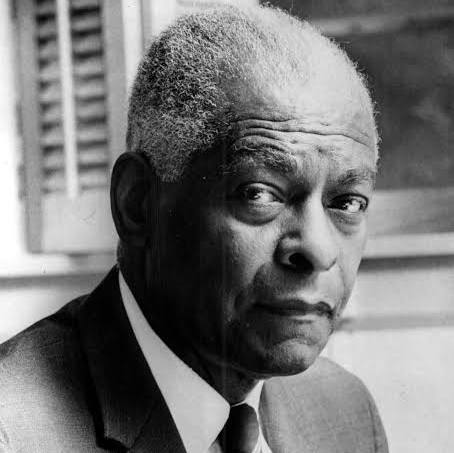
It’s Black History Month and time to highlight those we know well and others we may not know at all. Travel with Annita shares Ten Things You should Know About Dr. Benjamin E. Mays.
Education was not just his profession — it was his mission.
He believed learning was the pathway to dignity, leadership, and true freedom. Through classrooms, sermons, and mentorship, he helped shape generations of leaders who would go on to change America. This Black History Month, we honor a legacy that reminds us: when you educate a mind, you help shape the future.
1. Born Into the Legacy of Slavery — Rose Through Education
Benjamin Elijah Mays was born August 1, 1894, in South Carolina to formerly enslaved parents. The youngest of eight children, he grew up under Jim Crow laws and didn’t gain the right to vote until 1945 — at age 51. His life is a classic example of education as liberation.
2. Education Was His Path — And His Mission
He graduated with honors from Bates College in 1920, later earning graduate degrees — including a Ph.D. from the University of Chicago. Mays believed education wasn’t just advancement — it was moral responsibility.
Quote:
“Bates College did not emancipate me… it made it possible for me to emancipate myself.”
3. He Was Called the “Schoolmaster of the Movement”
Mays helped shape the intellectual foundation of the Civil Rights Movement through writing, preaching, and teaching. He pushed relentlessly for school desegregation and academic excellence.
4. President Who Transformed Morehouse College
As president of Morehouse (1940–1967), Mays turned it into one of the most respected historically Black colleges in the nation — academically serious, morally grounded, and leadership-focused.
He pushed the idea that education wasn’t just personal success — it was community responsibility. He expected Morehouse men to lead and serve.
Mays is buried on the Morehouse campus. Fitting for a man who believed education was the launchpad for social transformation.
5. Spiritual and Intellectual Mentor to Dr. Martin Luther King Jr.
King called Mays:
“My spiritual mentor and my intellectual father.”
Mays later delivered King’s eulogy and profoundly influenced King’s thinking about faith, justice, and leadership.
6. Global Thinker — Influenced by Gandhi
A 1936 trip to meet Mahatma Gandhi helped shape Mays’ belief in nonviolent resistance — ideas that later influenced the Civil Rights Movement through his students and colleagues.
7. Critic of Segregation — In Calm, Unshakable Language
Unlike some activists, Mays often used scholarly argument and moral reasoning rather than fiery speeches. He was the steady drumbeat behind the movement.
8. Adviser to U.S. Presidents
Mays advised multiple presidents, including:
Truman, Kennedy, Johnson, Carter
He also served on the 1950 White House Conference on Children and Youth.
9. First African American President of the Atlanta Board of Education.
Elected in 1969, he led the board during critical years of school desegregation and educational reform, serving until 1981.
Elected in 1969, he led the board during critical years of school desegregation and educational reform, serving until 1981.
10. Lifelong Legacy in Books, Scholarships, and Historic Sites
His autobiography, Born to Rebel (1971), cemented his place as a moral voice of the movement. His legacy lives on through:
The Benjamin Mays Historic Site (Greenwood, South Carolina)
0 Comments