
Thailand Travel Guide:
Bangkok & Chiang Mai
A deeper look at culture, food, history, and the experiences that make Thailand unforgettable
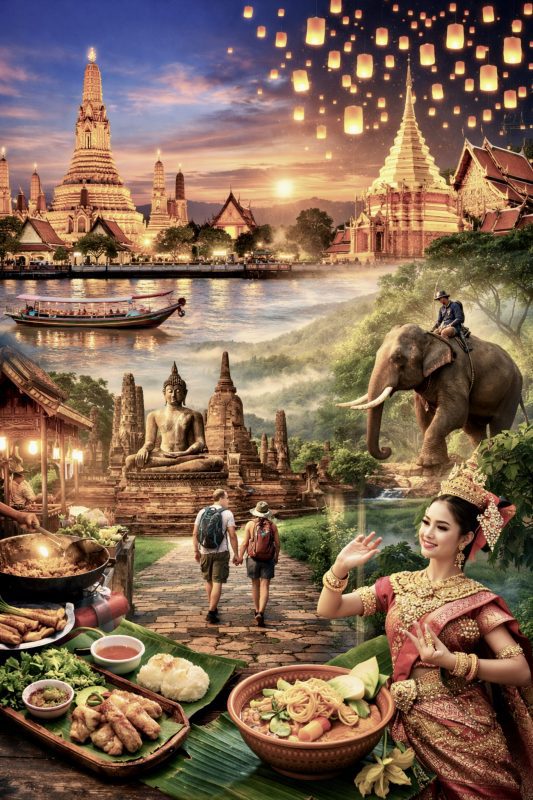
Thailand has long held a special place in the imagination of travelers. Golden temples shimmer against tropical skies, riverboats glide through ancient waterways, and food stalls send up aromas of lime, chilies, and sizzling garlic. For many visitors, the journey begins in the vibrant capital of Bangkok and continues north to the cultural heart of Chiang Mai. These two cities offer a beautiful contrast: Bangkok pulses with energy and modernity, while Chiang Mai unfolds at a slower rhythm amid mountains, temples, and centuries-old traditions.
Together they provide an ideal introduction to Thailand’s culture, cuisine, and history.
Bangkok: Thailand’s Dynamic Capital
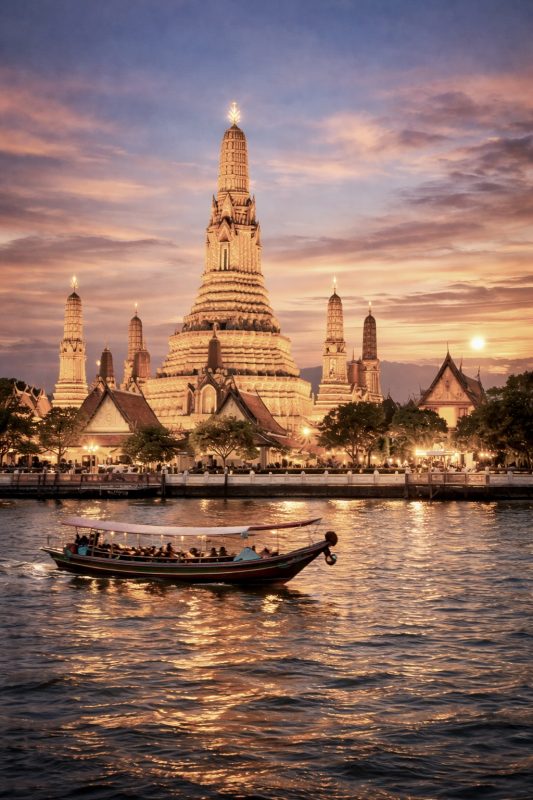
Few cities in the world feel as alive as Bangkok. Officially known as Krung Thep Maha Nakhon, which loosely translates to “City of Angels,” Bangkok blends ancient Buddhist traditions with modern urban energy. Towering skyscrapers stand beside quiet temples, and luxury malls sit only blocks away from lively street markets.
Founded in 1782 as the capital of the Kingdom of Siam, Bangkok grew along the banks of the Chao Phraya River, which remains the city’s lifeline. The river carries ferries, long-tail boats, and cargo vessels through the city just as it did centuries ago.
Cultural Landscape
Buddhism shapes daily life throughout Bangkok. It is common to see monks collecting alms in the early morning, families lighting incense at neighborhood shrines, and locals greeting each other with the traditional wai, a respectful gesture of pressed palms and a slight bow.
Temples—known as wats—are central to community life and serve as places of worship, learning, and reflection.
Must-See Historic Sites
 One of the most important landmarks in Thailand is the Grand Palace, a dazzling complex of royal halls and temples built in the late 18th century. Within the palace grounds sits Wat Phra Kaew, home to the revered Emerald Buddha, one of Thailand’s most sacred religious icons.
Nearby, visitors will find Wat Pho, famous for its enormous reclining Buddha statue measuring nearly 150 feet long. Wat Pho is also known as the birthplace of traditional Thai massage and houses one of the country’s oldest massage schools.
Across the river stands Wat Arun, the Temple of Dawn. Its towering spire, decorated with colorful porcelain fragments, catches the sunlight beautifully at sunrise and sunset.
Exploring the River
A boat ride along the Chao Phraya River offers one of the best ways to experience Bangkok. Long-tail boats weave past temples, riverside homes, and historic warehouses, revealing the city’s original waterways and canals. These canals—known as klongs—once earned Bangkok the nickname “Venice of the East.”
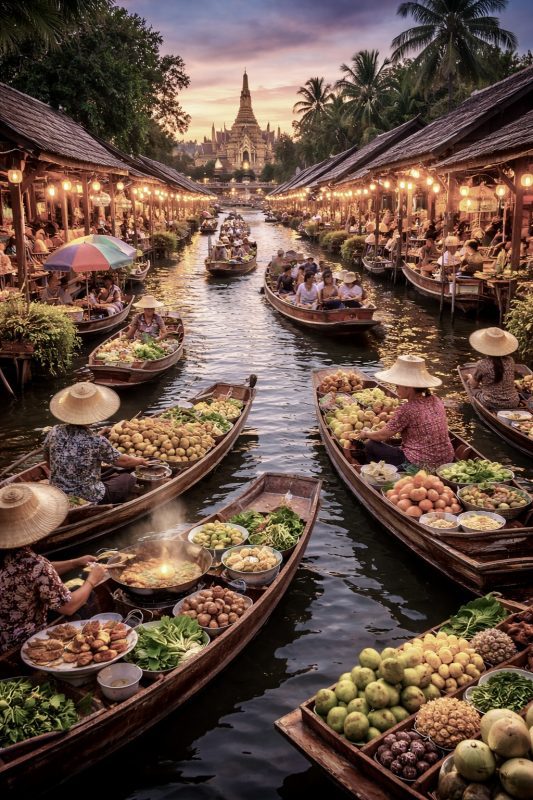
Floating markets located outside the city showcase another side of river culture, where vendors sell fruit, noodles, and handmade crafts from wooden boats.
Bangkok’s Legendary Food Scene
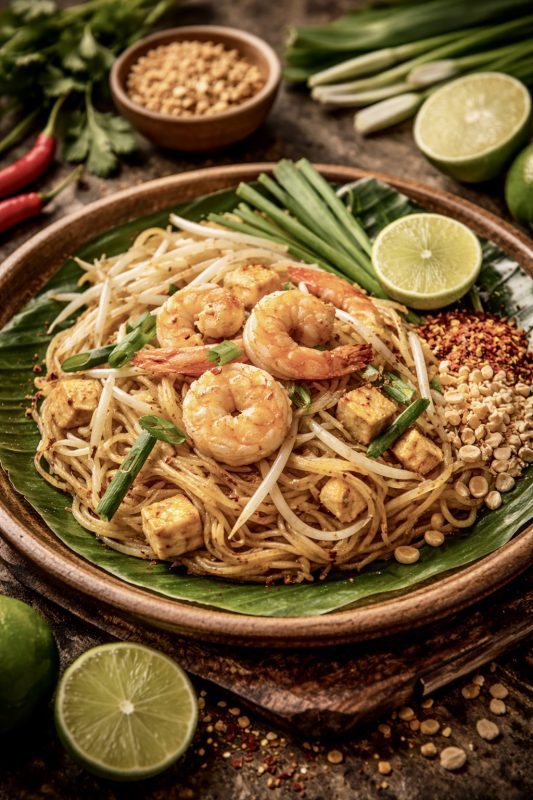
Bangkok is often considered one of the greatest food cities in the world. From Michelin-recognized restaurants to humble street stalls, incredible flavors are everywhere.
Classic Thai dishes visitors should try include:
-
Pad Thai – stir-fried rice noodles with shrimp, tofu, and tamarind sauce
-
Tom Yum Goong – hot and sour shrimp soup with lemongrass and lime
-
Som Tam – spicy green papaya salad
-
Mango Sticky Rice – sweet mango served with coconut sticky rice
Street food culture is central to the city’s identity. Night markets and roadside stalls serve dishes cooked fresh to order, often for just a few dollars.
Where to Stay in Bangkok
Travelers will find accommodations ranging from luxurious riverside resorts to charming boutique hotels.
Luxury travelers often choose iconic properties such as the Mandarin Oriental Bangkok or the elegant Capella Bangkok, both overlooking the Chao Phraya River.
For boutique charm, hotels like Ariyasom Villa offer a quiet oasis in the midst of the city.
Chiang Mai:
Cultural Capital of Northern Thailand
About 430 miles north of Bangkok lies Chiang Mai, a city surrounded by mountains and rich with history. Founded in 1296 as the capital of the Lanna Kingdom, Chiang Mai still preserves much of its ancient character.
The city’s historic center is enclosed by remnants of stone walls and a moat that once protected it from invading armies.
Temples and Spiritual Life
Chiang Mai is home to more than 300 temples, many of which date back hundreds of years.
One of the most revered is Wat Phra That Doi Suthep, perched high on a mountain overlooking the city. According to legend, the temple was built on the spot where a sacred relic carried by a white elephant came to rest.
Visitors climb a long staircase flanked by ornate serpent sculptures known as naga to reach the temple’s golden chedi and panoramic views.
Other important temples include:
-
Wat Phra Singh, known for its beautiful Lanna architecture
-
Wat Chedi Luang, once home to the Emerald Buddha
Festivals and Cultural Traditions
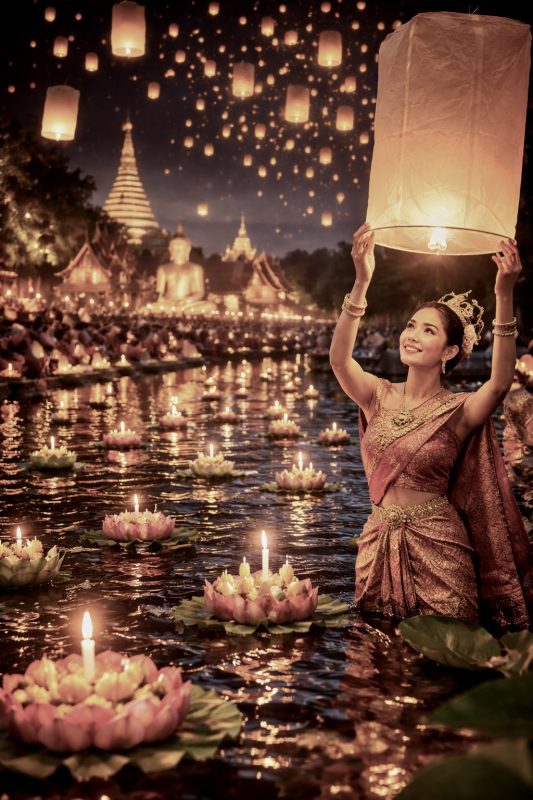
Chiang Mai hosts some of Thailand’s most beautiful festivals.
The Yi Peng Lantern Festival transforms the sky into a sea of floating lanterns, symbolizing letting go of misfortune and welcoming good luck.
The Songkran Festival, Thailand’s New Year celebration, takes place each April and is famous for joyful citywide water fights that symbolize purification and renewal.
Outdoor Adventures
Chiang Mai also serves as a gateway to northern Thailand’s natural landscapes. Travelers can explore mountain trails, waterfalls, and national parks.
A popular excursion is Doi Inthanon National Park, home to Thailand’s highest mountain and known for misty forests, waterfalls, and scenic viewpoints.
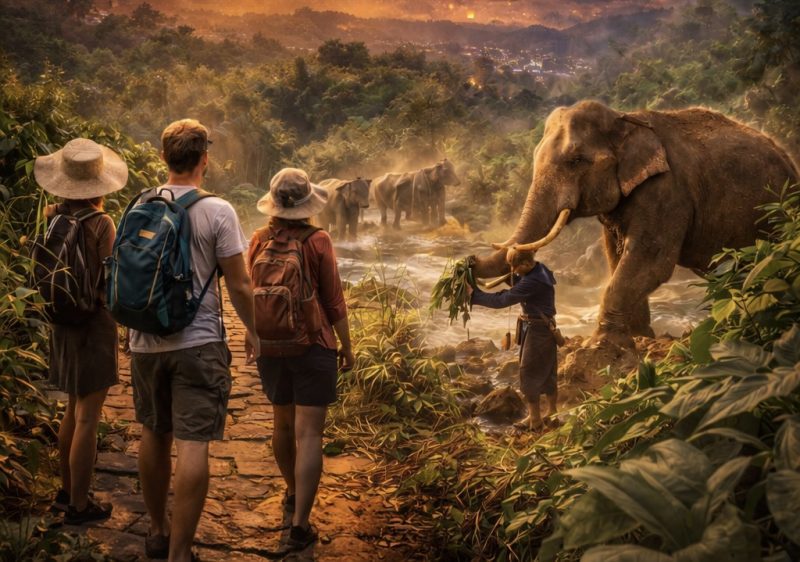
Ethical elephant sanctuaries around Chiang Mai allow visitors to observe rescued elephants in natural environments while supporting responsible conservation.
Northern Thai Cuisine
Food in Chiang Mai reflects influences from Myanmar and Laos, giving it a distinctive regional flavor.
One must-try dish is Khao Soi, a rich coconut curry noodle soup topped with crispy noodles, pickled vegetables, and lime.
Other regional specialties include:
-
Sai Ua – northern Thai sausage
-
Sticky rice served with spicy chili dips
-
Herb-grilled meats and river fish
Local markets and family-run restaurants provide wonderful opportunities to experience these authentic flavors.
Where to Stay in Chiang Mai
Luxury travelers often stay at the stunning Four Seasons Resort Chiang Mai, located among rice paddies and mountains.
Boutique properties such as 137 Pillars House Chiang Mai combine historic charm with modern elegance.
For travelers who prefer staying within the historic center, Tamarind Village offers traditional architecture and a peaceful courtyard setting.
Practical Travel Tips for Thailand
Best Time to Visit
Thailand’s most comfortable weather occurs between November and February, when temperatures are cooler and rainfall is minimal.
Getting Around
Domestic flights between Bangkok and Chiang Mai take about one hour and are inexpensive. Within Bangkok, the Skytrain and subway systems provide efficient transportation, while tuk-tuks offer a colorful local experience.
Currency
Thailand uses the Thai Baht. Credit cards are accepted in hotels and restaurants, though smaller shops and markets prefer cash.
Cultural Etiquette
Respect plays a central role in Thai culture.
Visitors should:
-
Dress modestly when entering temples
-
Remove shoes before entering homes and religious sites
-
Avoid touching someone’s head, considered the most sacred part of the body
-
Refrain from pointing feet toward people or religious images
The Thai people are famously gracious hosts, and travelers who show respect for local customs are warmly welcomed.
Why Bangkok and Chiang Mai Work So Well Together
Bangkok introduces travelers to Thailand’s dynamic energy—its royal history, culinary scene, and urban excitement. Chiang Mai, by contrast, reveals a quieter side of the country where temple bells echo through mountain valleys and artisans continue centuries-old traditions.
Together they provide a rich, balanced journey through Thailand’s past and present.
Whether wandering through the Grand Palace, savoring street noodles at a night market, or watching lanterns drift into the northern sky, visitors quickly discover why Thailand remains one of the world’s most beloved travel destinations.


0 Comments