
Mediterranean Treasures: Six Glorious Getaways from Malta to Alexandria
The Mediterranean has long been the world’s playground — a sun-drenched cradle of civilization where salt air, olive oil, and ancient stories are scattered along the shores of these Mediterranean Treasures: from Malta to Alexandria. Every harbor tells a tale and carries a long varied history. Yet amid its many vacation spots, six destinations shine especially bright: Malta, Cyprus, Rhodes, Bodrum, Istanbul, and Alexandria. Each offers a distinct flavor of the Mediterranean spirit — part ancient, part modern, all unforgettable.
1. Malta – Fortress in the Sun
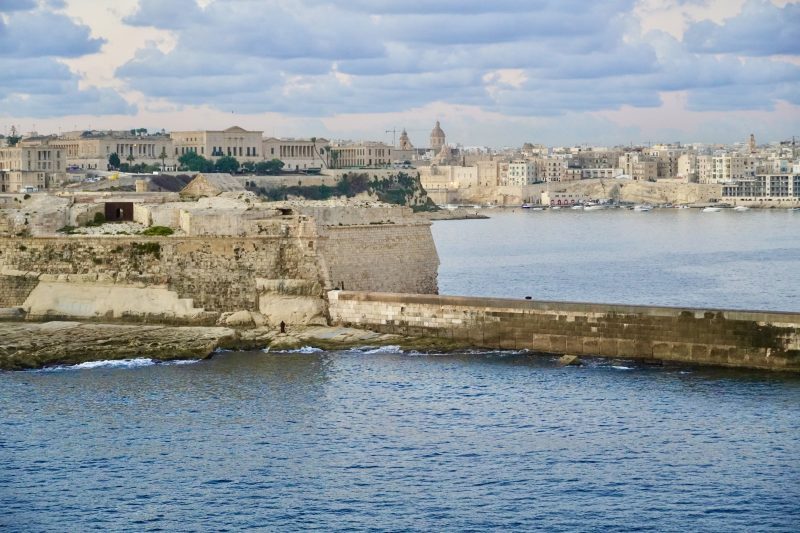
Tiny but mighty, Malta is like a museum afloat in the sea — a limestone fortress island where every alley echoes with the footsteps of knights and invaders past. Its capital, Valletta, is a baroque masterpiece — grand facades, ornate balconies, and the sea shimmering at the end of every street.
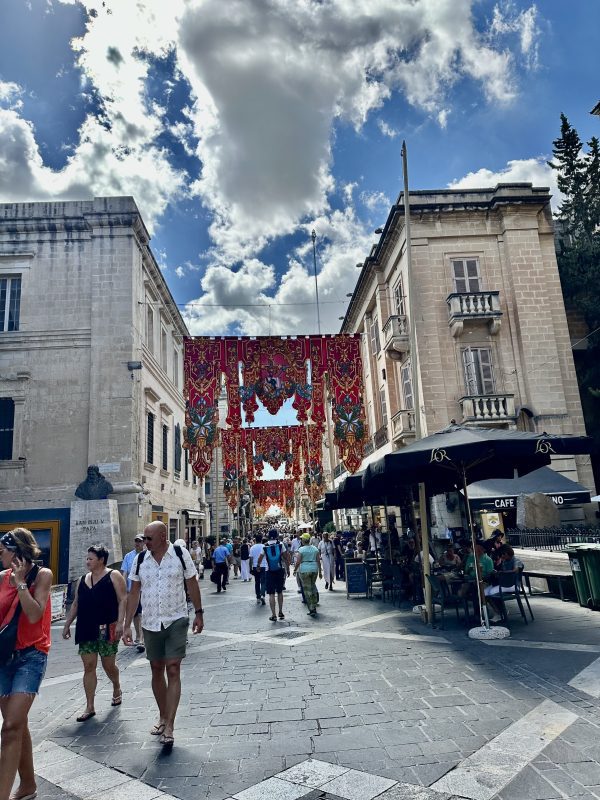
What to See:
Start at St. John’s Co-Cathedral, built by the Knights of Malta, where Caravaggio’s The Beheading of Saint John the Baptist still commands silence. Wander through Mdina, the “Silent City,” with its honey-colored lanes and noble stillness.
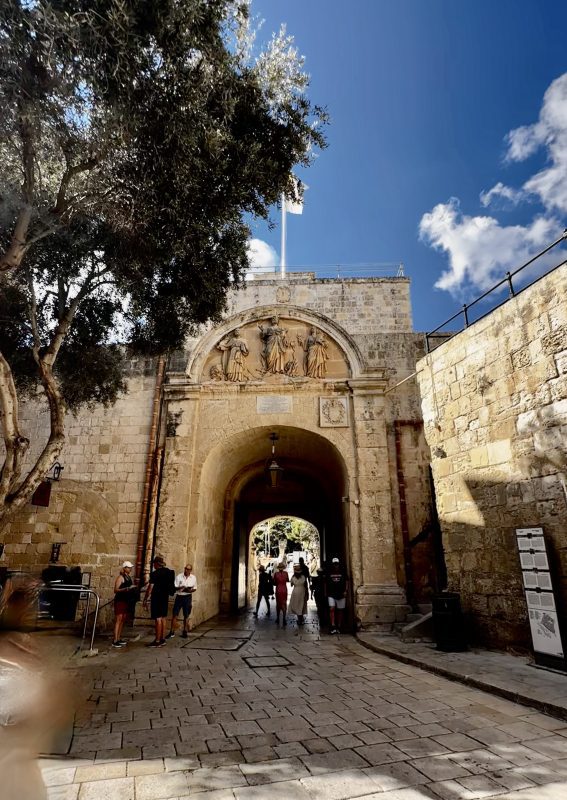
What to Do:
Take a boat ride through the Blue Grotto, where the water glows with impossible blues. Hop a ferry to Gozo for rural calm and prehistoric temples older than the pyramids.
What to Eat:
Order rabbit stew — the national dish — slow-cooked in wine and herbs. Sample pastizzi, flaky pastries stuffed with ricotta or mushy peas, and chase it with a glass of Maltese wine, a quiet regional secret.
Malta offers the Mediterranean’s pleasures — sun, sea, and style — without the chaos. It’s old Europe with an island soul.
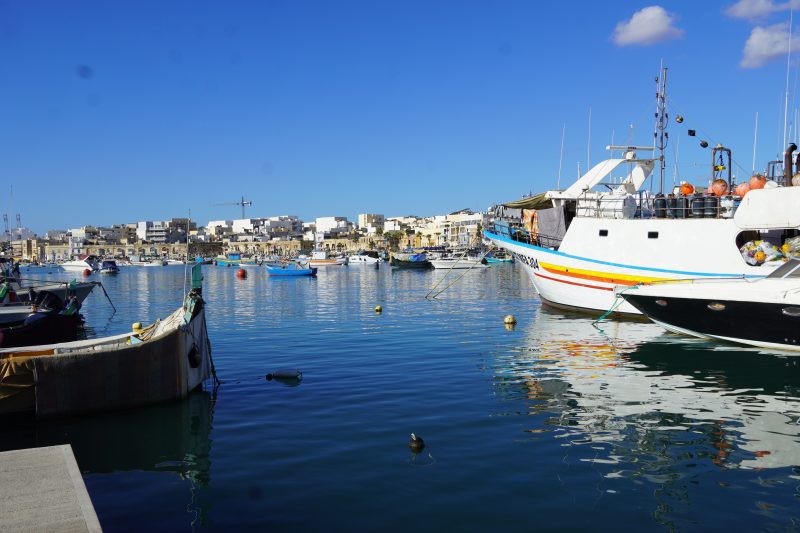
2. Cyprus – The Island of Aphrodite
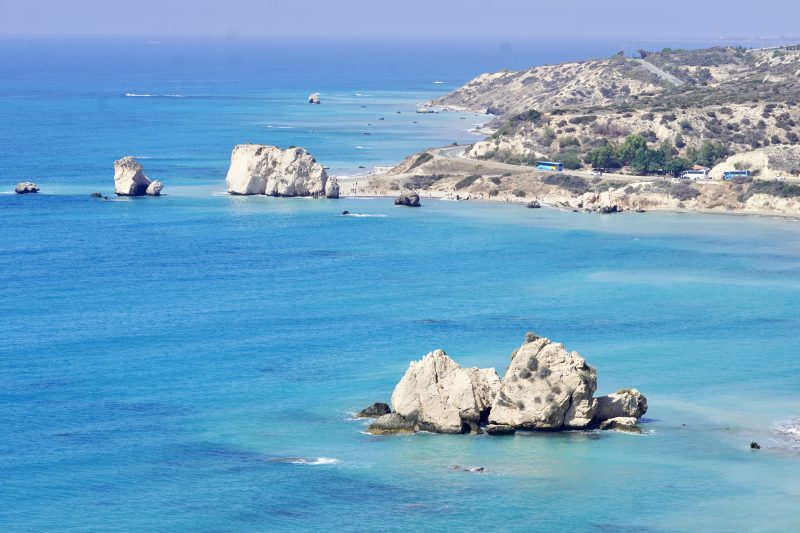
Cyprus isn’t just sun and sand; it’s where myth meets mezze. This island has been Greek, Roman, Byzantine, Venetian, Ottoman, and British — each leaving a mark, and a menu.
What to See:
In the south, Paphos dazzles with ancient mosaics and the supposed birthplace of Aphrodite herself, Petra tou Romiou, where the goddess rose from the foam. Up in the Troodos Mountains, Byzantine monasteries cling to pine-covered slopes like something out of a fairy tale.
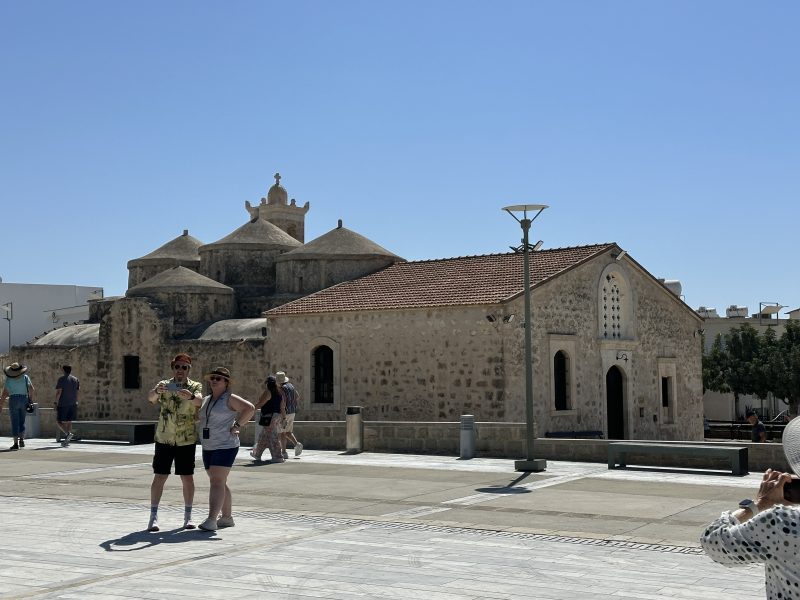
What to Do:
Wander Lefkara, famed for its handmade lace, or dive off Cape Greco into turquoise coves. Cyprus is also perfect for road trips — olive groves, goats, and mountain wine villages roll past like an old postcard come alive.
What to Eat:
Cypriot food is a love letter to simplicity — halloumi cheese, grilled golden; souvla, skewered meat turned slowly over charcoal; and meze, a parade of small dishes that could last a whole afternoon. End with commandaria, a sweet dessert wine the Crusaders once called “the wine of kings.”
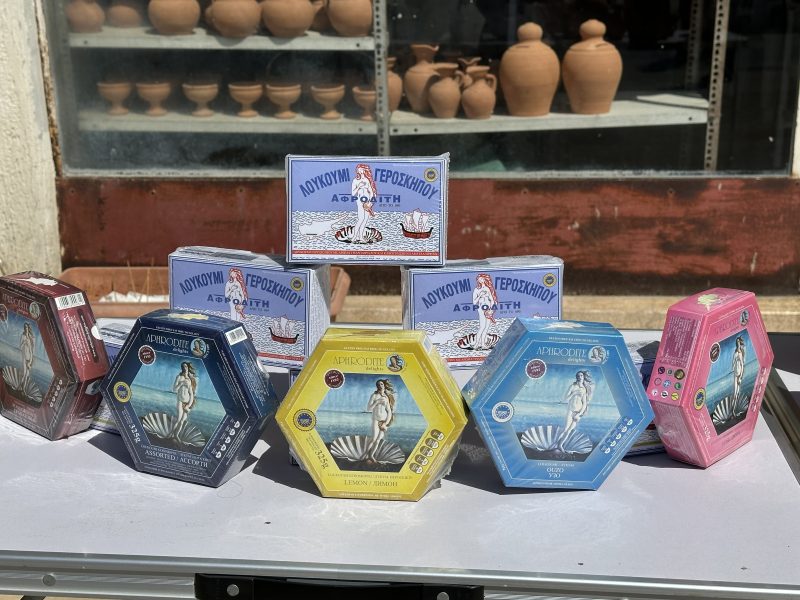
Cyprus is the Mediterranean in miniature: generous, sun-baked, and full of stories.
3. Rhodes – Island of the Sun God
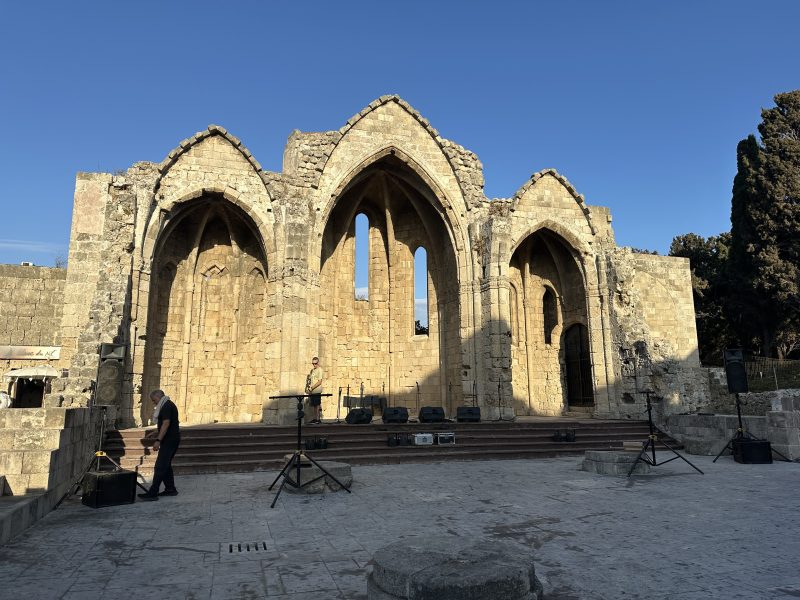
Rhodes shines bright in Greek mythology — literally, as it was dedicated to Helios, the sun god. The sunshine is near constant, and so is the beauty.
What to See:
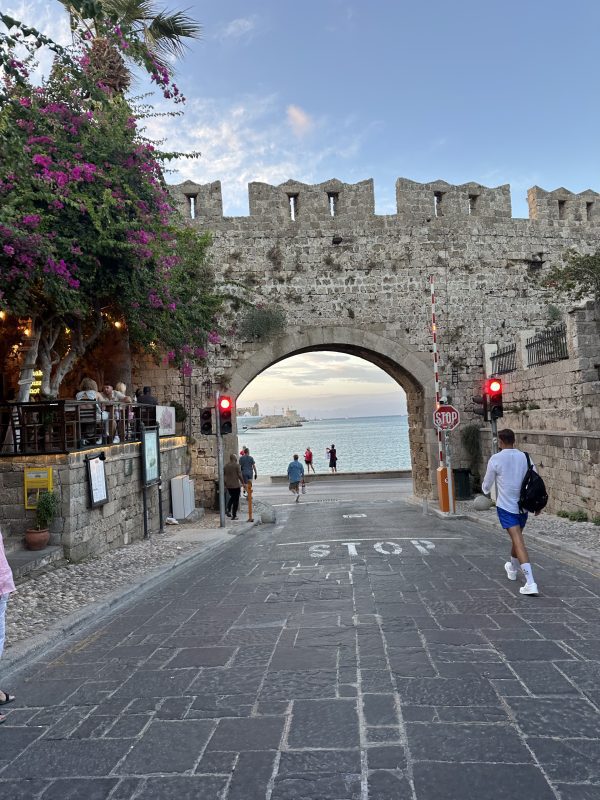
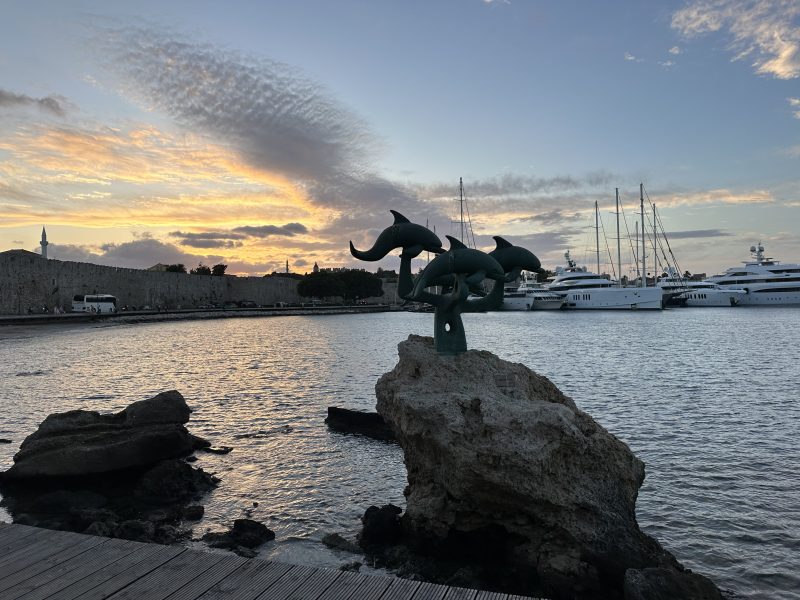
The Old Town of Rhodes is a medieval labyrinth, once home to the Knights of St. John. Walk along the Street of the Knights, explore the Palace of the Grand Master, and feel time fold in on itself. Down south, Lindos gleams white against the blue sea, crowned by an ancient acropolis that looks straight out of Homer.
What to Do:
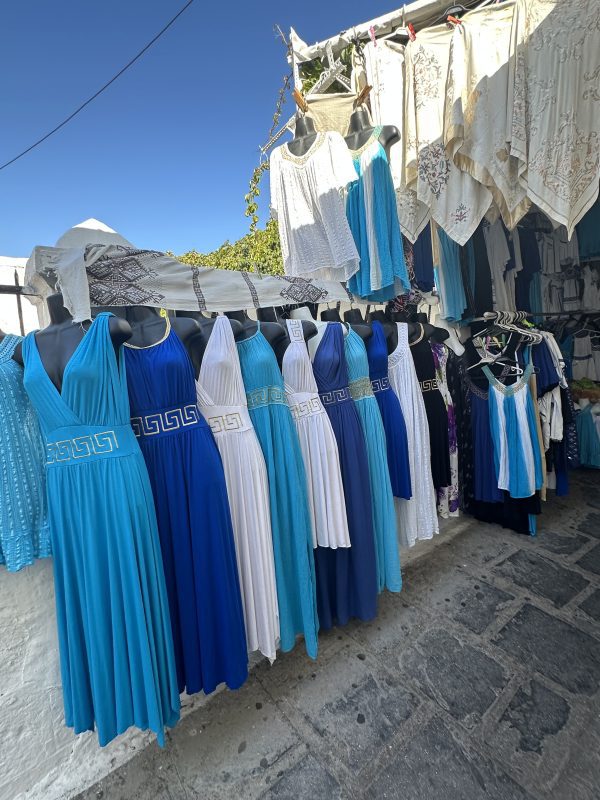
Swim in St. Paul’s Bay, or rent a scooter and wind along the coast to find your private patch of paradise. Visit in spring for wildflowers and empty lanes, or late summer for lively tavernas and festivals under the stars. Go shopping in Lindos where you can also see the acropolis in the distance.
What to Eat:
Greek island food is soul-satisfying: moussaka, grilled octopus, dolmades, and of course, ouzo to toast the sunset. In Rhodes, try pitaroudia, spicy chickpea fritters — humble, hearty, and perfect with local wine.
Rhodes is that rare place where history, myth, and leisure all share the same sun-lounger.
4. Bodrum – The Turkish Riviera’s Chic Hideaway
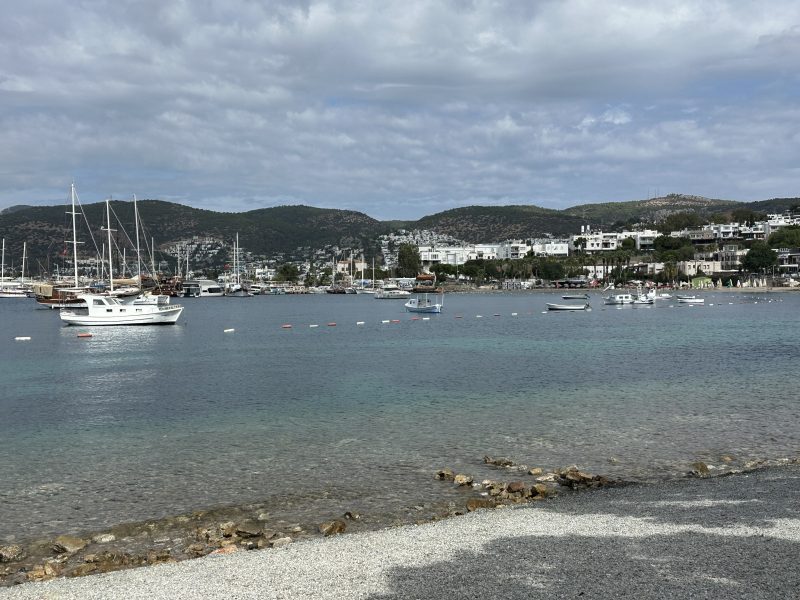
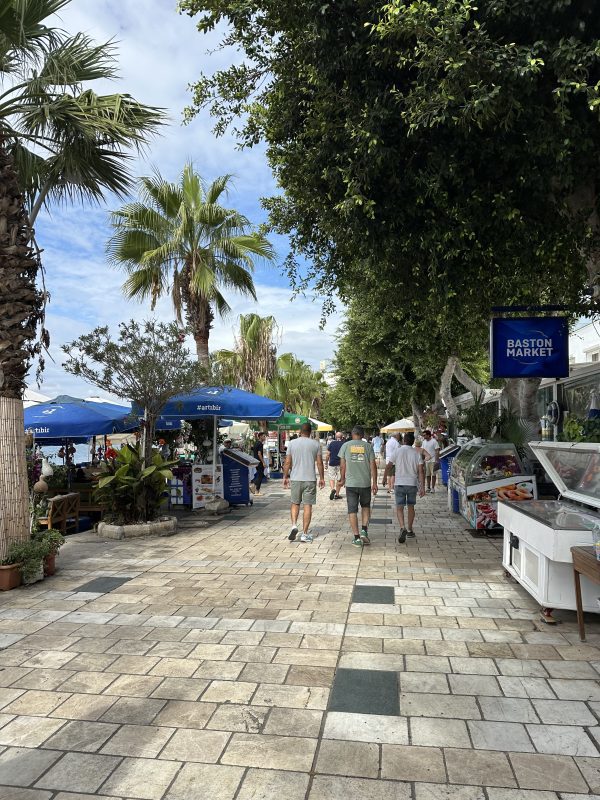
Across the Aegean lies Bodrum, once ancient Halicarnassus — birthplace of Herodotus and site of one of the Seven Wonders, the Mausoleum of Mausolus. Today it’s a glittering harbor town where bohemians, billionaires, and barefoot travelers mingle on the same turquoise shore.
What to See:
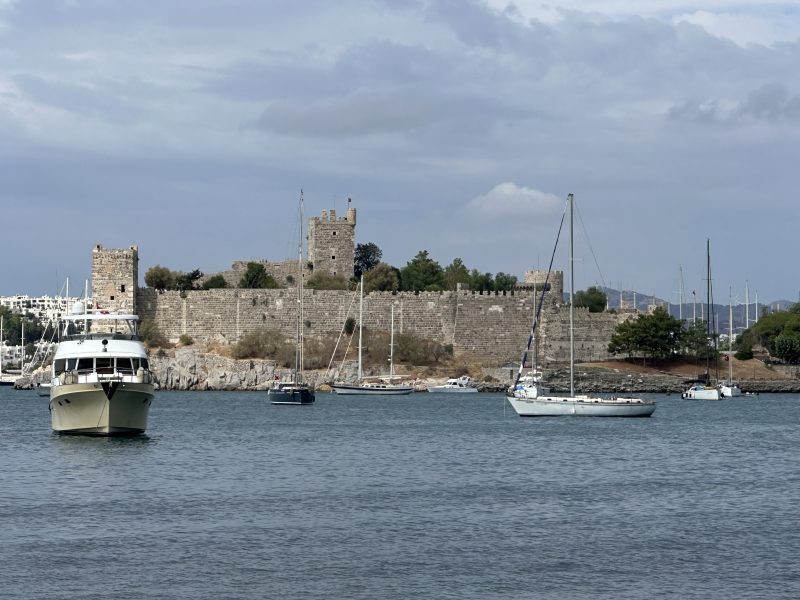
The Castle of St. Peter, built by Crusader knights, looms over the marina. Inside lies the Museum of Underwater Archaeology, displaying shipwreck treasures that whisper of ancient trade routes.
What to Do:
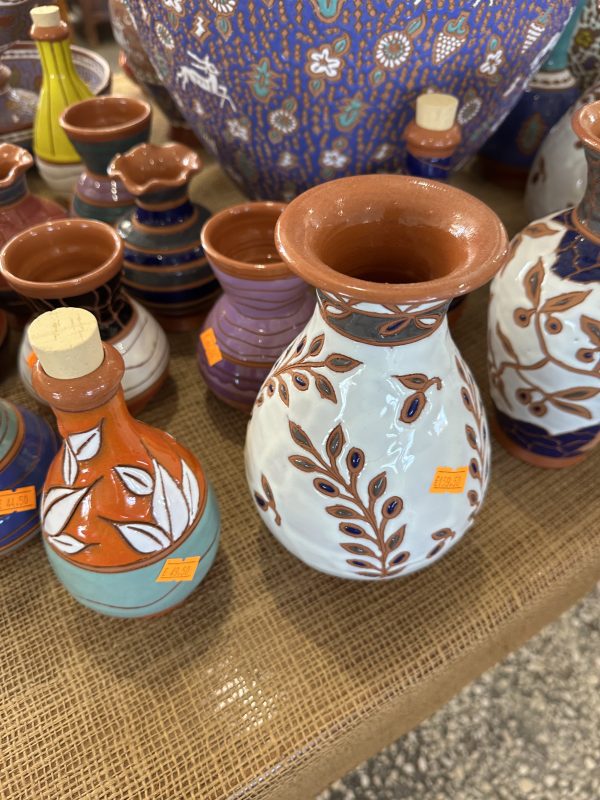
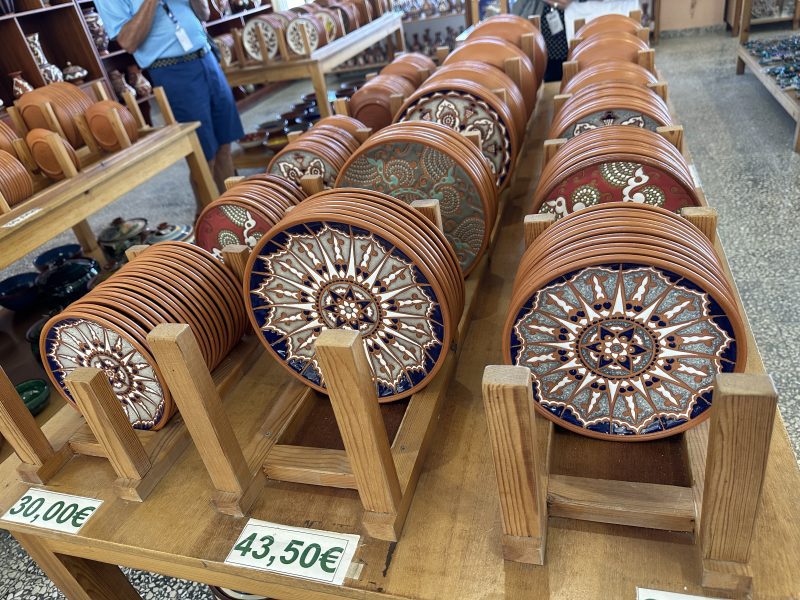
Sail the Blue Voyage — a traditional gulet cruise through quiet coves and fishing villages. Wander the Bodrum Bazaar for colorful ceramics and evil-eye trinkets. At night, Bodrum hums with live music and open-air dining — sophisticated yet relaxed.
What to Eat:
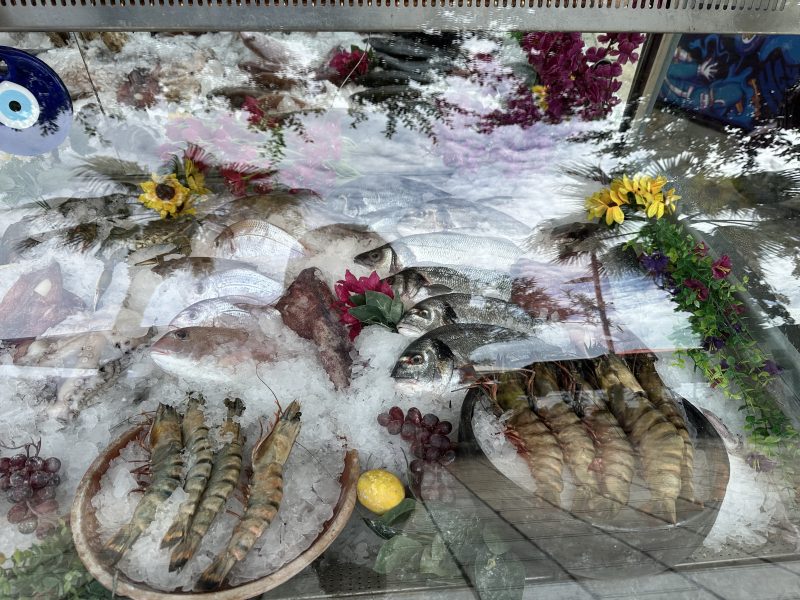
The food scene blends the best of Turkey’s coastal cuisine — grilled sea bass, meze spreads of roasted eggplant and yogurt, and raki, the anise spirit that pairs best with laughter. Don’t skip baklava from a local bakery; it’s lighter here, somehow — like the air itself.
Bodrum proves that history and hedonism can coexist beautifully.
5. Istanbul – Where Continents and Centuries Collide
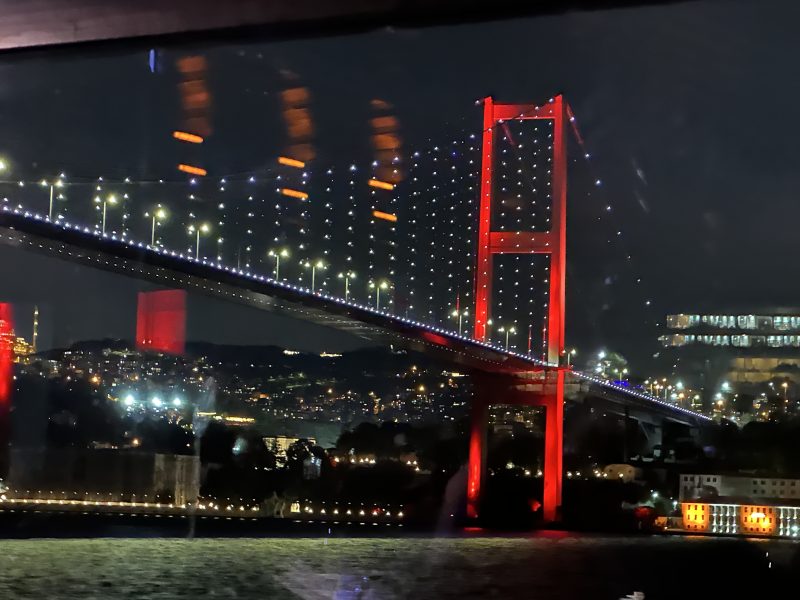
If the Mediterranean had a capital, it might well be Istanbul — half Europe, half Asia, and all spectacle. No city captures the soul of civilization quite like this one.
What to See:
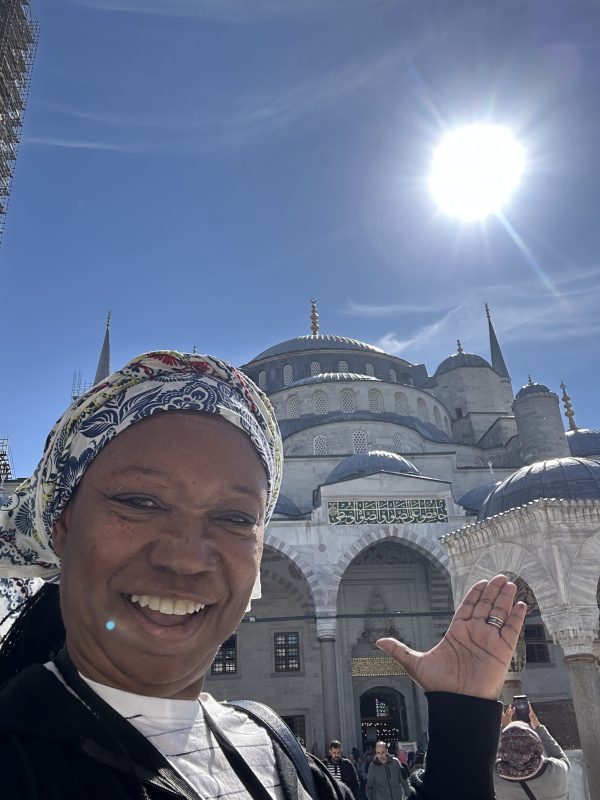
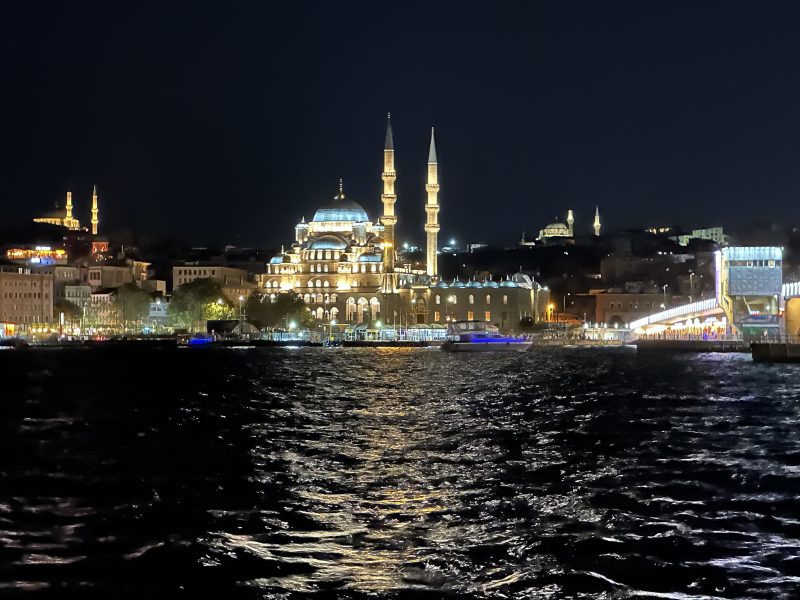
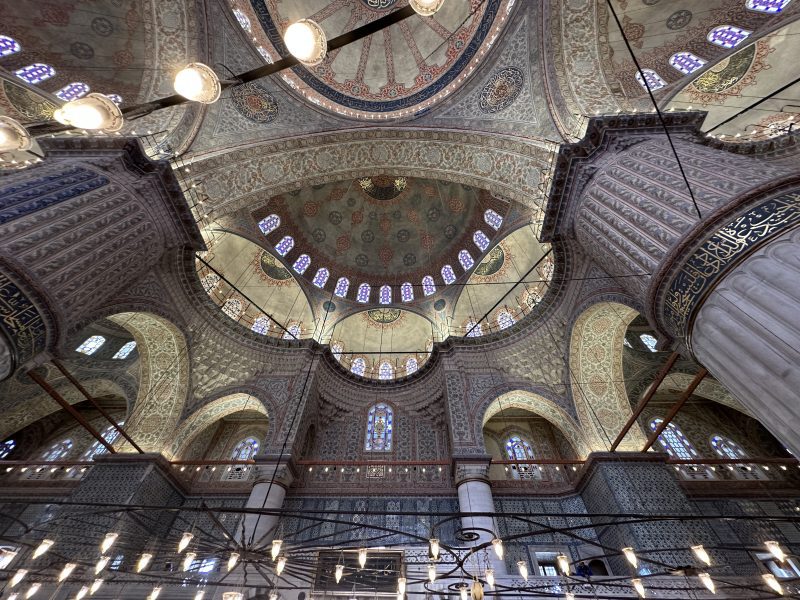
The Hagia Sophia, Blue Mosque, and Topkapi Palace form a holy trinity of world history. Stroll across the Galata Bridge, watch fishermen cast lines into the Bosphorus, and ride a ferry to Üsküdar just to say you’ve crossed continents by boat.
What to Do:
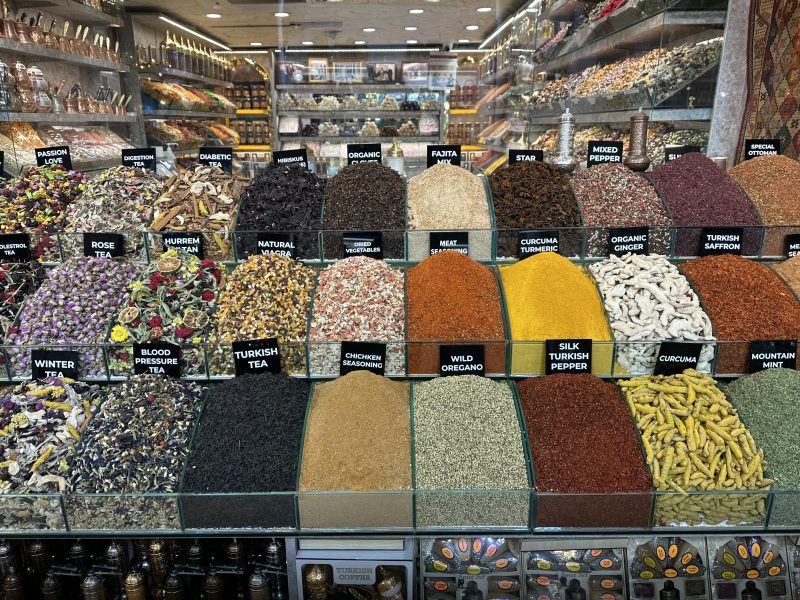
Get lost — it’s the only proper way to see Istanbul. Wander the Grand Bazaar, haggle for spices and lanterns, then escape to a hamam for a traditional Turkish bath — hot marble, soap, steam, and bliss.
What to Eat:
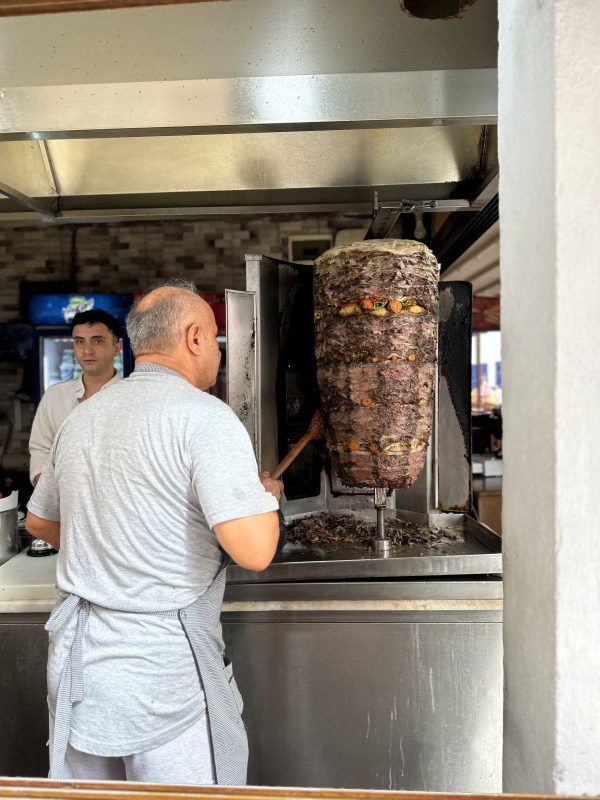
Start with menemen, eggs scrambled with tomatoes and peppers, then move to doner kebab, stuffed mussels, or simit, the sesame bread rings sold on every corner. Finish with Turkish coffee and baklava, ideally overlooking the Bosphorus at sunset.
Istanbul is a feast — of sights, scents, and contradictions — where every alley leads to another century.
6. Alexandria – Egypt’s Faded Pearl by the Sea
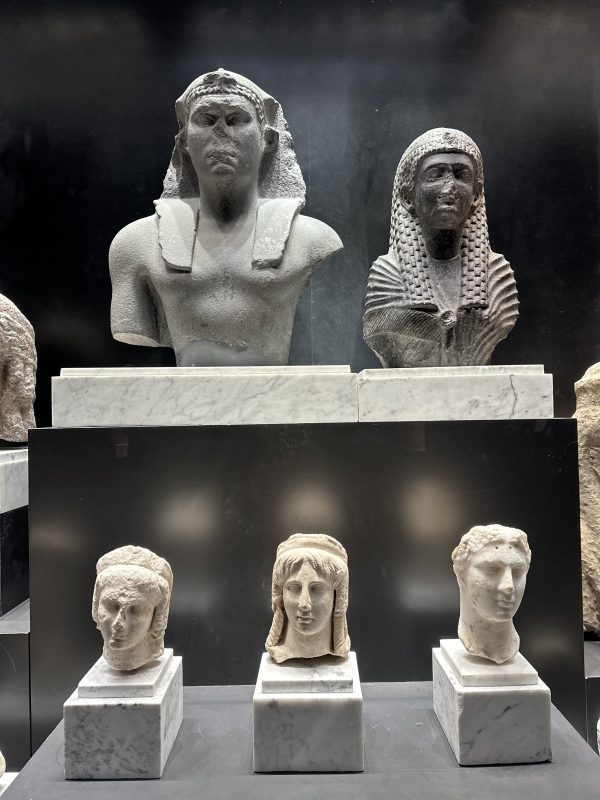
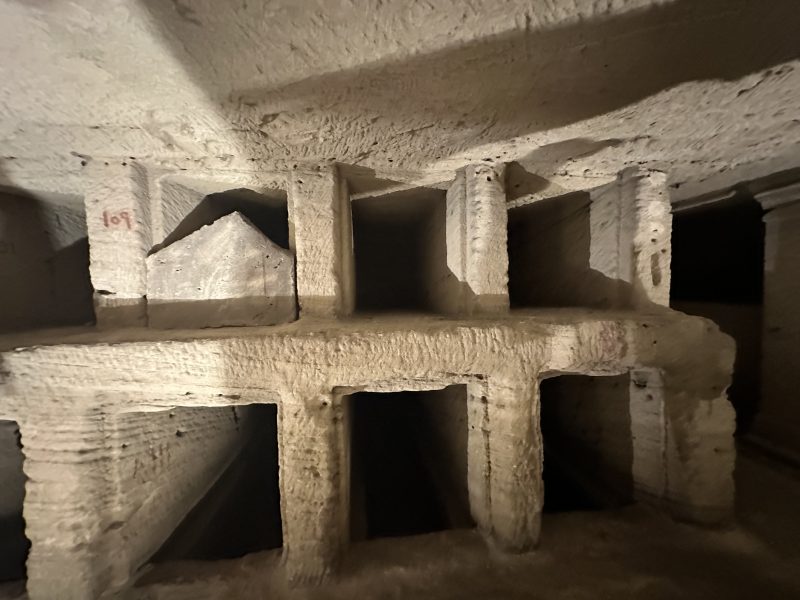
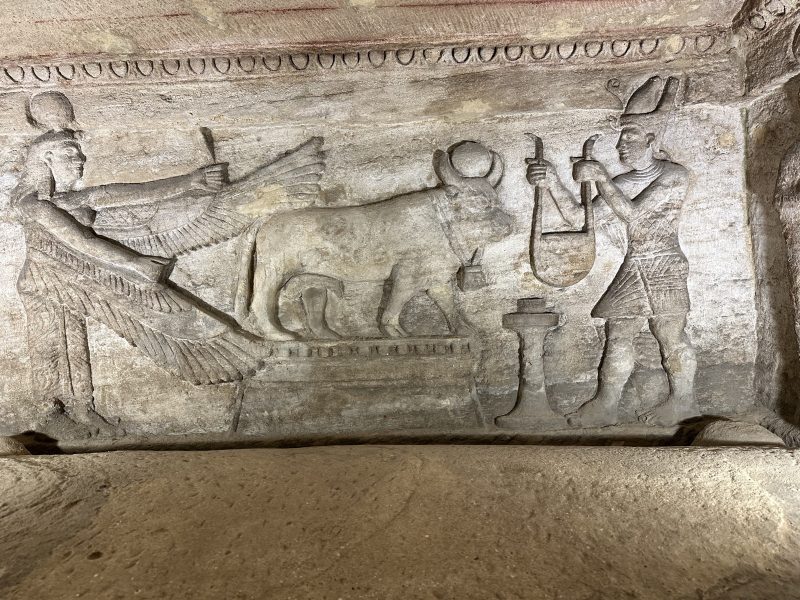
Finally, we sail south to Alexandria, Egypt’s Mediterranean face — part grandeur, part melancholy. Founded by Alexander the Great, once home to Cleopatra, it’s a city that remembers greatness even as it hums with modern life.
What to See:
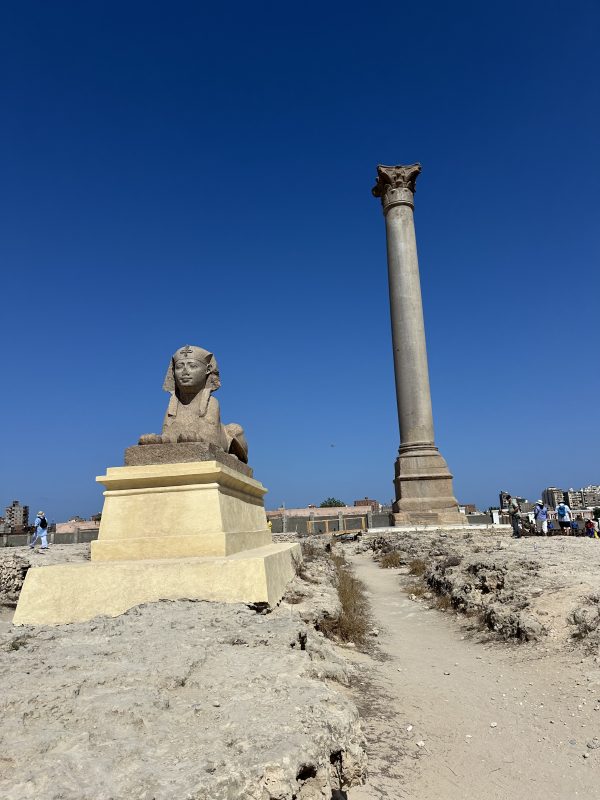
The Bibliotheca Alexandrina revives the spirit of the ancient library, sleek and circular, a temple of knowledge reborn. Along the Corniche, waves crash against colonial façades, and you can almost hear the whispers of poets past. Visit Fort Qaitbey, built on the ruins of the legendary lighthouse — one wonder giving way to another.
What to Do:
Linger in the Café Trianon or Delices for a coffee where writers once argued about politics and poetry. Wander the old souks for brass lamps and spices, or take a tram to Montaza Palace Gardens, where royal palms sway by the sea.
What to Eat:
Alexandria’s cuisine is a celebration of the sea — sayadeya (spiced fish and rice), fatta (garlic and vinegar lamb), and the freshest seafood platters you’ll ever meet. End with roz bel laban, Egyptian rice pudding perfumed with vanilla and nostalgia.
Alexandria is for those who appreciate faded elegance — a place where history lingers like perfume.
The Last Word
The Mediterranean has no single identity — it’s a patchwork of empires, faiths, flavors, and sunlight. But in these six destinations — Malta, Cyprus, Rhodes, Bodrum, Istanbul, and Alexandria — the spirit of the sea endures: ancient yet alive, endlessly seductive.
Whether you’re tracing knights’ steps in Malta, sipping raki in Bodrum, or watching the sunset over Alexandria’s harbor, one truth remains — the Mediterranean doesn’t just offer escape; it offers connection. To history, to flavor, and to life lived beautifully by the sea.


0 Comments