
Travel Emergencies Abroad – Who Is Responsible for Evacuation?
Understanding the Roles of Governments, Travel Insurance, Airlines, Tour Operators, and the U.S. STEP Program
Travel emergencies abroad who is responsible for evacuation? That’s a fair question. Travel opens the door to extraordinary experiences: new cultures, landscapes, and people. Yet recent global events have reminded travelers that international trips can sometimes be disrupted by unexpected crises such as war, political unrest, terrorism, or natural disasters.
When situations deteriorate overseas, many travelers assume their government will immediately step in and bring them home. In reality, evacuation responsibility is shared among several groups: the traveler, governments, travel insurance providers, evacuation insurance companies, travel advisors, airlines, and tour operators.
Understanding who does what—and what they cannot do—is essential for travelers who want to make smart decisions in a crisis. One of the most valuable tools Americans have before and during travel is the U.S. Smart Traveler Enrollment Program (STEP), which can provide critical information during emergencies abroad.
Below is a detailed guide to who carries responsibility during evacuations and how each plays a role when travel conditions suddenly change.
The Traveler: Your Safety Is Ultimately Your Responsibility

The most important truth travelers must understand is that your safety abroad ultimately depends on you. Governments, insurance providers, and travel companies can offer assistance, but they cannot make decisions or evacuate every traveler during a crisis.
Security experts consistently advise travelers to leave a destination while commercial transportation is still available. Waiting for government evacuation flights can be risky, because those operations are rare and only happen under extreme circumstances.
Travelers are responsible for:
• Monitoring travel advisories before and during trips
• Registering with embassy alert systems such as STEP
• Keeping passports and travel documents accessible
• Purchasing travel and evacuation insurance
• Having funds available for emergency transportation
• Staying informed about local conditions
Travelers who remain aware of their surroundings and act early often avoid the most dangerous situations.
Government Responsibility
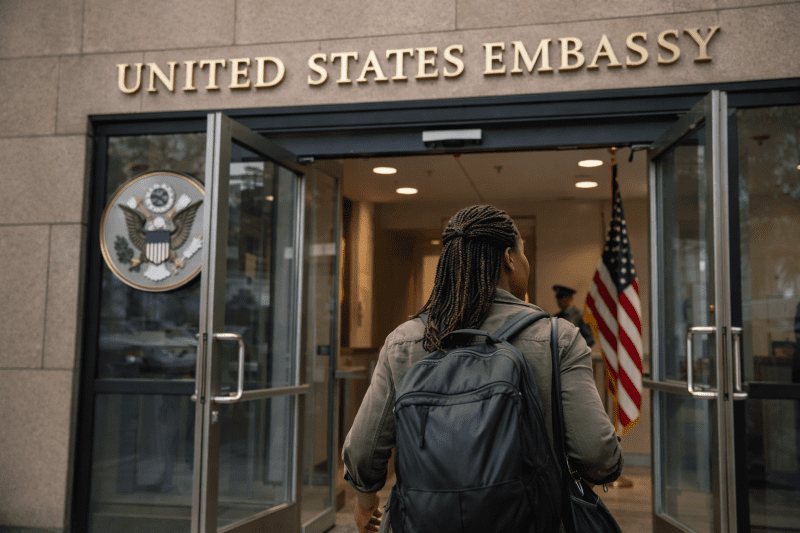
Government agencies, such as the U.S. Department of State, assist citizens overseas during emergencies. However, their role is often misunderstood.
The government’s primary responsibility is to provide information, coordination, and limited assistance, not guaranteed evacuation.
What Governments Can Do
U.S. embassies and consulates can assist citizens abroad by:
• Issuing travel advisories and safety alerts
• Sharing updates about security conditions
• Helping travelers replace lost or stolen passports
• Providing lists of hospitals or local attorneys
• Contacting family members in emergencies
• Coordinating evacuation transportation in rare cases
Embassies also serve as a point of contact between travelers and local authorities during crises.
What Governments Cannot Do
Many travelers mistakenly believe embassies can rescue them anywhere. In reality, there are important limits to government assistance.
Embassies generally cannot:
• Provide transportation within a country during a crisis
• Guarantee evacuation flights
• Pay for lodging, food, or personal expenses
• Assist non-citizens of the country
• Guarantee safe passage through conflict zones
• Transport pets during evacuation operations
If evacuation transportation is provided, travelers are usually required to repay the cost. Because of these limitations, governments strongly encourage travelers to leave early using commercial transportation.
The U.S. Smart Traveler Enrollment Program (STEP)
One of the most important safety tools available to American travelers is the Smart Traveler Enrollment Program, commonly known as STEP.
STEP is a free service offered by the U.S. Department of State that allows travelers to register their international trips with the nearest U.S. embassy or consulate. Enrollment takes only a few minutes but can make a significant difference during an emergency.
What STEP Does
Once enrolled in STEP, travelers receive important benefits that can help them make informed decisions during a crisis.
These include:
• Safety alerts about political unrest, protests, or security risks
• Weather warnings such as hurricanes or typhoons
• Updates about transportation disruptions
• Information about curfews or local restrictions
• Guidance from the U.S. embassy during emergencies
If a serious crisis occurs, the embassy may use STEP records to identify U.S. citizens in the affected area and contact them with instructions.
STEP can also help embassy officials reach family members if communication networks are disrupted.
Why STEP Is So Important
During emergencies, accurate information can save lives. Travelers who enroll in STEP receive updates directly from official sources rather than relying on rumors or social media.
These alerts may advise travelers to:
• Avoid certain neighborhoods
• Shelter in place
• Move to safer areas
• Leave the country while commercial flights remain available
In rapidly evolving situations, these updates can help travelers make decisions early—before conditions worsen.
STEP enrollment is available at:
Mytravek,state,gov
Travel experts recommend registering every international trip.
Travel Insurance Providers

Travel insurance companies play a major role in assisting travelers during crises. While policies vary, most comprehensive travel insurance plans provide support for trip disruptions and medical emergencies.
Insurance companies often maintain 24-hour emergency assistance centers staffed with medical professionals and crisis specialists.
What Travel Insurance Can Cover
Depending on the policy, travel insurance may include:
• Trip cancellation due to political unrest or disasters
• Trip interruption coverage
• Emergency medical treatment abroad
• Medical evacuation transportation
• Transportation to safer locations
In many cases, insurance companies coordinate with hospitals, airlines, and local authorities to arrange transportation.
Limitations of Travel Insurance
Coverage depends heavily on timing and policy terms.
For example:
• Insurance may not cover events that were already known before purchase
• Some policies exclude destinations under severe travel warnings
• Coverage may vary for voluntary evacuations
Travelers should always review policy details carefully before departure.
Emergency Evacuation Insurance
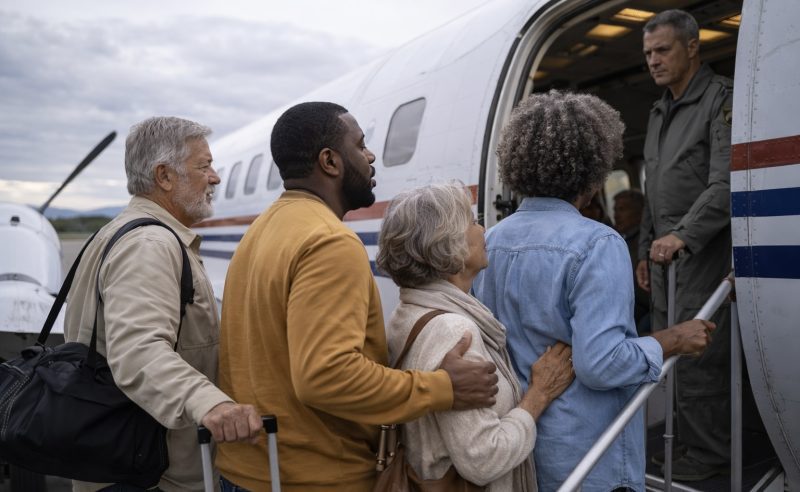
Emergency evacuation insurance is a specialized type of coverage designed to remove travelers from dangerous situations.
Unlike traditional travel insurance, evacuation policies focus specifically on transportation out of crisis areas.
These policies are particularly valuable for travelers visiting remote regions or politically unstable areas.
What Evacuation Insurance Covers
Evacuation policies may include:
• Air evacuation during war or civil unrest
• Medical evacuation to specialized hospitals
• Security evacuation from high-risk locations
• Transportation to safe neighboring countries
Private evacuation flights can cost tens of thousands of dollars without coverage.
Evacuation insurance ensures travelers have access to these services if needed.
Travel Advisors and Travel Agents

Travel advisors often play an important support role when travel disruptions occur.
While advisors cannot conduct evacuations, they can help travelers adjust plans quickly during emergencies.
Responsibilities of Travel Advisors
Travel advisors may assist by:
• Monitoring global travel conditions
• Advising clients about safety concerns
• Helping modify or cancel itineraries
• Rebooking flights or accommodations
• Coordinating with insurance providers
Advisors can also help travelers understand cancellation policies and insurance coverage before departure.
Airlines
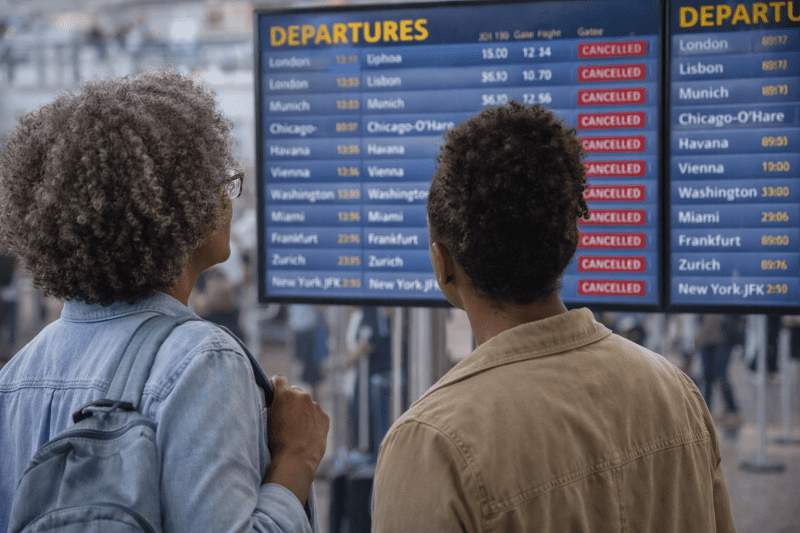
Airlines are essential partners in helping travelers leave affected areas.
However, their responsibility is limited to operating safe flights when conditions allow.
What Airlines Can Do
Airlines may help travelers by:
• Allowing flexible ticket changes
• Waiving certain change fees
• Adding additional flights when possible
• Rebooking passengers on alternative routes
Airlines often attempt to assist travelers leaving crisis areas as long as airports remain open.
Airline Limitations
Airlines cannot operate flights when:
• Airports are closed
• Airspace is restricted
• Security conditions are unsafe
When airports shut down, commercial airlines must suspend service immediately.
Tour Operators and Cruise Companies

Tour operators and cruise lines also carry responsibilities for guest safety during organized trips.
These companies often have crisis management teams monitoring global developments.
Responsibilities of Tour Operators
Tour operators may assist travelers by:
• Adjusting itineraries to avoid unrest
• Relocating travelers to safer areas
• Arranging alternative transportation
• Providing real-time updates
Cruise lines frequently change ports of call to avoid destinations experiencing unrest.
However, once travelers leave organized tour programs, company responsibilities may be limited.
Evacuation Is a Shared Responsibility
Evacuation during a crisis rarely falls on a single organization. Instead, it involves coordination between travelers, governments, insurance providers, airlines, and travel professionals.
Each plays a role:
Travelers must stay informed and prepared.
Governments provide guidance and limited assistance.
STEP delivers critical alerts and safety information.
Insurance providers coordinate evacuation services.
Airlines transport travelers while airports remain open.
Tour operators and advisors help manage logistics.
Understanding these roles allows travelers to make smarter decisions before and during their trips.
The Most Important Evacuation Rule
Travel security experts consistently emphasize one simple rule:
Leave early.
The safest time to leave a destination is before transportation systems shut down.
Programs like STEP can help travelers recognize warning signs early and act before conditions worsen.
Preparation, awareness, and timely decisions are the traveler’s greatest safety tools.
Because when it comes to international travel, the best emergency plan is the one you never have to use.


0 Comments