
Why America Named
Its Cities After Saints
Three Sacred Southern Destinations Worth Every Mile —
St. Augustine, Florida • St. Simons Island, Georgia •
St. Marys, Georgia
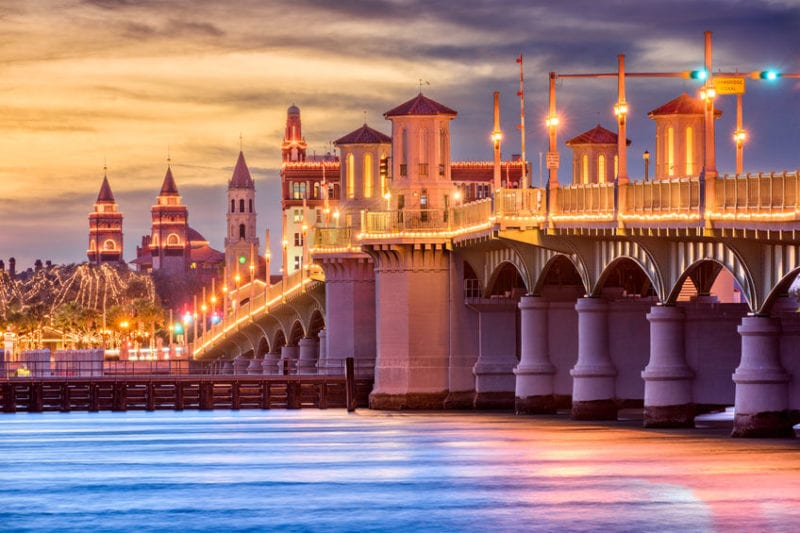
St. Augustine, Florida, USA Skyline at Bridge of Lions.
In the Name of the Saints
Why So Many American Cities Carry Sacred Names
Have you ever asked: Why America named its cities after Saints? Scan a map of the United States with fresh eyes and you will notice something striking: the country is blanketed in saints. Saint Louis. Saint Paul. San Francisco. San Antonio. Santa Fe. San Diego. Saint Augustine. Saint Simons. Saint Marys. From the Gulf Coast to the Pacific Shore, from the Florida peninsula to the Minnesota lakes, American geography reads like a liturgical calendar — a roll call of apostles, martyrs, bishops, and holy figures whose names were pressed into the soil centuries before the nation itself existed.
This is no accident. It is a story of faith, empire, exploration, and the deeply human need to consecrate the unknown by naming it after something sacred.
The Spanish and French Catholic Tradition
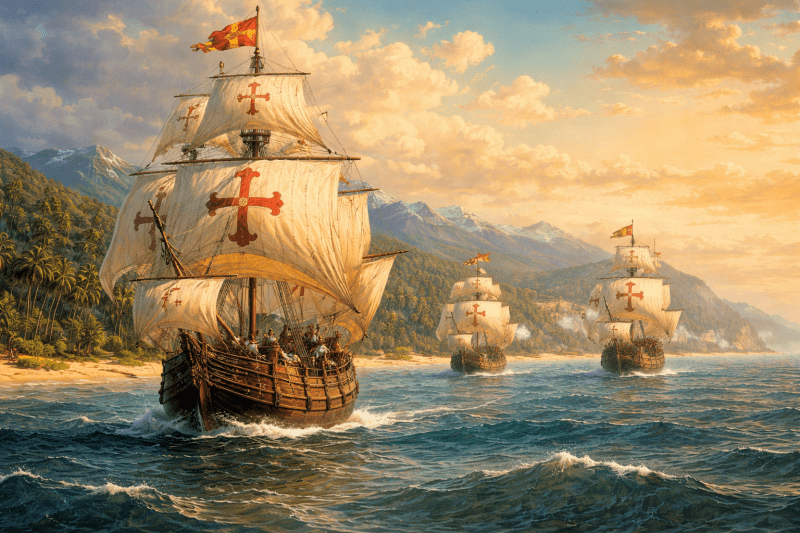 The practice of naming settlements after saints arrived in the Americas with the first European explorers, and it was overwhelmingly a Catholic tradition. Spanish conquistadors and missionaries, traveling under the banner of the Crown of Castile and the authority of the Roman Catholic Church, understood the act of naming a new place as an act of spiritual claiming. To name a harbor, a river, or a village after a saint was to place it under that saint’s protection and to mark it as part of Christendom; a spiritual territory as much as a geographical one.
Spanish explorers navigated by the feast day calendar. When a ship entered a bay on June 24th, the Feast of Saint John the Baptist, the bay became San Juan. When a settlement was founded on August 28th, the feast of Saint Augustine of Hippo, it became San Agustín. The calendar and the compass worked together, and saints’ names spread across the Americas with the speed and persistence of the tide.
French Catholic missionaries followed the same logic in the territories they explored. The Great Lakes, the Mississippi River valley, and the Gulf Coast. Saint Louis, founded as a French trading post in 1764, was named for King Louis IX of France, who had been canonized as a saint in 1297. The name carried both royal and religious authority simultaneously, a fitting choice for a city that would become a gateway to an entire continent.
The Protestant Tradition and English Colonial Naming
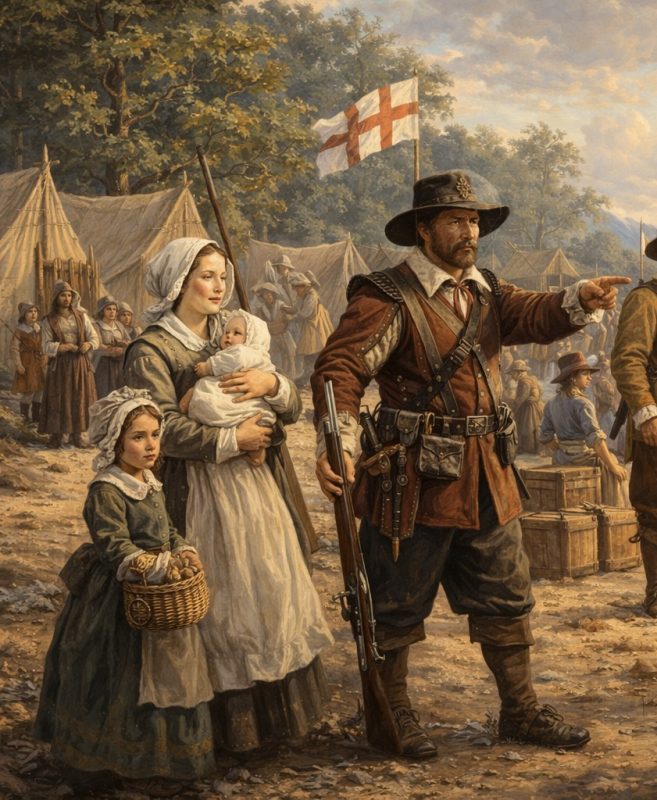 English colonial settlements in North America were less systematically religious in their naming. The Puritans of New England, for example, were deeply suspicious of the Catholic veneration of saints and named their towns after English places (Boston, Plymouth, Cambridge) rather than holy figures. Yet even in Protestant territory, saints’ names persisted, often carried over from English parishes or county names that themselves had medieval Catholic origins.
Saint Mary’s County in Maryland, established in 1637 as the first county in the colony, was named by the Catholic Lord Baltimore in honor of the Virgin Mary, making it one of the earliest saint-named places in English colonial America. The tradition ran deeper than any single denomination. It was woven into the English language itself, in place names that had been Saint-prefixed for so many centuries that their religious origins had become simply part of the landscape.
What the “Saint” Prefix Actually Means
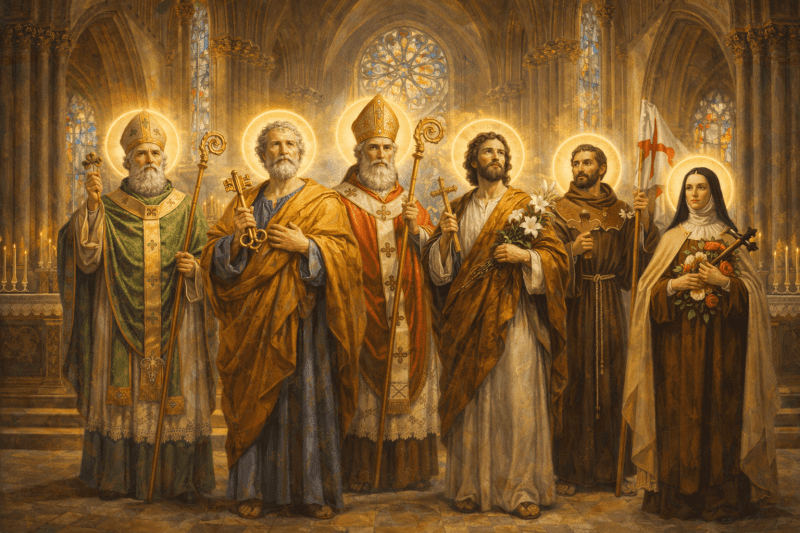 In Catholic tradition, a saint is a person officially recognized by the Church as having lived a life of heroic virtue and now residing in heaven, capable of interceding with God on behalf of those who pray to them. Naming a city after a saint was not merely commemorative, it was an active spiritual act. The city was placed under the saint’s patronage, their protection, and their intercession. Citizens of that place were, in a sense, the saint’s people.
Each patron saint brought specific associations: Saint Augustine of Hippo was the great theologian of grace, conversion, and the restless human heart seeking God. Saint Simons (Simon the Apostle) was one of the original twelve chosen by Christ, a symbol of foundational faith. The Virgin Mary, for whom dozens of American places are named, was the universal protector, Queen of Heaven, and Mother of the Church. These were not random selections. They were theological statements about the nature and purpose of the communities that bore their names.
| DID YOU KNOW? The United States has more than 1,500 place names beginning with “Saint” or “San” or “Santa” – from Saint Paul, Minnesota (named after the Apostle Paul) to San Francisco, California (named after Saint Francis of Assisi) to Santa Fe, New Mexico (meaning “Holy Faith”). The saints are everywhere in American geography, just check your map. |
A Living Legacy
 Today, most Americans who live in or visit these saint-named cities give little daily thought to the theological origins of the names they use. But those origins have left their mark in ways that go far deeper than street signs. The saint-named cities of the American South — particularly those with Spanish colonial roots carry in their architecture, their street layouts, their churches, and their cultural DNA the unmistakable imprint of a Catholic European worldview transplanted into a new and untamed continent.
Three of those cities: Saint Augustine in Florida, Saint Simons Island in Georgia, and Saint Marys in Georgia, sit within driving distance of each other along the southeastern Atlantic coast, forming a triangle of sacred geography that any thoughtful traveler could spend a week exploring. Each carries its saint’s name with a different kind of pride, and each rewards the visitor who arrives curious about not just what there is to see, but why it came to be there at all.
CITY ONE
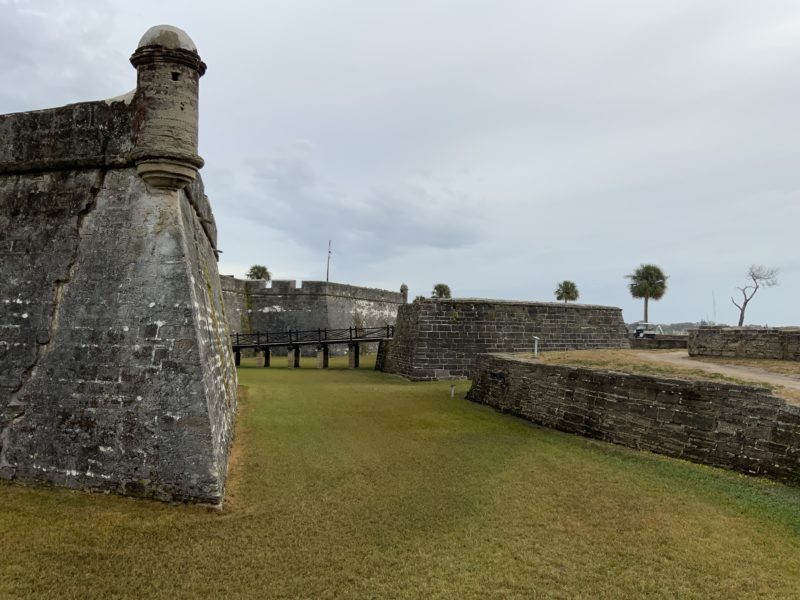
| CITY | St. Augustine, Florida |
| Patron Saint | Saint Augustine of Hippo (354–430 AD) — Bishop, Theologian, Doctor of the Church |
| Name Meaning | Named for the feast day of Saint Augustine of Hippo — September 5, the day the Spanish fleet sighted the Florida coast in 1565 |
| Founded | 1565 — oldest continuously occupied European settlement in the continental United States |
| State | Florida |
St. Augustine, Florida
History — The Oldest City in America
On September 8, 1565, Spanish Admiral Pedro Menéndez de Avilés waded ashore on the northeastern Florida coast, planted a cross, and celebrated a Catholic Mass establishing the settlement of San Agustín and beginning the longest continuous history of any European city on what is now United States soil. St. Augustine predates Jamestown by 42 years and Plymouth Rock by 55. It is, in every meaningful sense, the beginning of the American story.
Menéndez had arrived under orders from King Philip II of Spain to establish a permanent Spanish presence in Florida and to drive out the French Huguenot colonists who had settled nearby at Fort Caroline. The religious dimension was explicit: this was a Catholic city from its first breath, founded on a saint’s feast day, blessed by a priest, and built to serve the spiritual as well as political ambitions of the Spanish empire.
The city changed hands multiple times over the following centuries from Spain to Britain and back to Spain before the United States acquired Florida in 1821, but it never lost its identity as a place of layered, complex, and deeply European character. The British occupied it for twenty years in the eighteenth century and added their own architectural mark. The Americans who came later found a city unlike anything else in their young nation…. ancient, Catholic, Spanish, and utterly itself.
The city’s most turbulent chapter in the American period came during the Civil Rights Movement. In 1964, St. Augustine became a key battleground for the movement, as Dr. Martin Luther King Jr. and thousands of demonstrators conducted wade-ins at segregated beaches and night marches through the historic district, facing violent resistance. Their courage in St. Augustine directly contributed to the passage of the Civil Rights Act of 1964. The city carries this history alongside its colonial past with the seriousness it deserves.
Culture — Where the Old World Meets the New
St. Augustine has a cultural character unlike anywhere else in America. Walking its narrow streets, many of them unchanged in their basic layout since the Spanish colonial era, feels less like touring an American city than visiting a small European town that somehow ended up in Florida. The architecture is a layered conversation between Spanish colonial, British Georgian, and Victorian American styles, with enough coquina stone (the local shell-rock used in construction for centuries) to give the whole city a warm, sandy glow.
The city has a serious arts community, an excellent literary tradition, and a dining scene that has evolved well beyond tourist trap territory into genuinely creative Florida cuisine. The old city gates, the Spanish Quarter, and the Flagler-era architecture of the late nineteenth century (when Standard Oil billionaire Henry Flagler chose St. Augustine as his winter playground and built some of the grandest hotels in American history) all coexist in a few walkable square miles.
Things to See & Do
- Castillo de San Marcos: The oldest masonry fort in the continental United States, built between 1672 and 1695 of local coquina stone. A National Monument and an extraordinary piece of military architecture. The walls actually absorbed cannon fire rather than shattering. Essential visit.
- St. George Street: The historic pedestrian thoroughfare of the old city. Colonial-era buildings house galleries, restaurants, and shops. Best explored on foot at a slow pace, ideally in the early morning before the crowds arrive.
- Flagler College: Built as the Ponce de León Hotel in 1888 by Henry Flagler, this Spanish Renaissance masterpiece is now a liberal arts college. The lobby features Tiffany stained glass windows of extraordinary beauty. Tours available.
- Lightner Museum: Housed in Flagler’s former Alcazar Hotel, this museum holds a remarkable collection of Victorian-era art and antiques. The former hotel swimming pool is now a café, one of the most unusual dining rooms in America.
- Fountain of Youth Archaeological Park: The site where Ponce de León reputedly landed in 1513 in search of eternal youth. The spring is still there; the history is real; the mythology is irresistible.
- St. Augustine Beach: A short drive from the historic district, with wide, uncrowded shores and warm Atlantic water. Less famous than Miami or Daytona and I say makes it better and more relaxing.
- Old City Ghostly Tours: St. Augustine’s claim to be “the most haunted city in America” may be marketing, but the torch-lit evening tours of the old city are genuinely atmospheric and historically informed. Ghost tours I’ve booked leave me feeling like the city definitely lives up to the title – “the most haunted city in America!”
CITY TWO
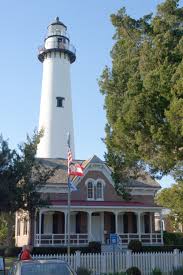
| CITY | St. Simons Island, Georgia |
| Patron Saint | Saint Simon the Apostle One of the twelve original disciples of Jesus Christ |
| Name Meaning | Named by Spanish missionaries establishing a mission on the island in the 1500s–1600s |
| Founded | Mission established circa 1568; British Fort Frederica founded 1736 |
| State | Georgia |
St. Simons Island, Georgia
History – Battleground of Empires, Home of Faith
St. Simons Island occupies a singular place in American colonial history; it is the site where the British Empire’s ambitions in the American South were permanently settled and where the shadow of Spanish Florida was finally broken. Long before the British arrived, however, the island bore the name of an apostle given to it by Spanish Franciscan missionaries who established a chain of missions along the Georgia coast in the late sixteenth and early seventeenth centuries, converting the indigenous Guale people to Christianity and building a spiritual infrastructure that predated any permanent European settlement.
The British arrived in force in 1736, when General James Oglethorpe, founder of the colony of Georgia, built Fort Frederica on the island’s western shore as a bulwark against Spanish Florida. In 1742, the Battle of Bloody Marsh took place on St. Simons Island, a decisive engagement in which Oglethorpe’s outnumbered forces repelled a Spanish invasion force in the marshes near the fort. The Spanish never seriously threatened British Georgia again. The outcome of that battle shaped the future of the entire southeastern seaboard.
St. Simons also carries a profound and painful chapter of African American history. The island’s antebellum plantations were worked by enslaved people who developed a distinct cultural identity rooted in West African traditions, Anglican Christianity, and the unique isolation of the Georgia Sea Islands. This culture, known as the Gullah-Geechee tradition, survived the end of slavery and continues to shape the island’s character today, present in the language, the food-ways, the music, and the spiritual practices of descendants who still call the island home.
One of the island’s most haunting stories involves Ebo Landing, where in 1803 a group of Igbo captives, newly arrived from West Africa and facing enslavement, chose to march into the waters of Dunbar Creek rather than submit to bondage. The act has become a powerful symbol of resistance and spiritual agency in African American and Gullah-Geechee cultural memory.
Culture- Live Oaks, Light, and Lingering Beauty
St. Simons Island is one of Georgia’s Golden Isles, and it wears the title with an understated elegance that distinguishes it from louder resort destinations. The island’s defining visual experience is its ancient maritime forest, cathedral avenues of live oak trees draped in Spanish moss, their branches forming green tunnels over winding roads that feel entirely removed from the twenty-first century. This landscape has attracted painters, writers, and seekers of natural beauty for generations.
The poet Sidney Lanier wrote his famous poem “The Marshes of Glynn” here in 1878, inspired by the vast, shimmering salt marshes that surround the island. The Wesley brothers, John and Charles, founders of the Methodist movement, served as missionaries on the island in the 1730s, and Christ Church Frederica, rebuilt in 1884, stands among the oldest Methodist congregations in America beneath a canopy of oaks that John Wesley himself may have stood beneath.
Things to See & Do
- Fort Frederica National Monument: The ruins of Oglethorpe’s 1736 fortified town, preserved and interpreted by the National Park Service. Walking the town plan and imagining the community that lived and fought here is a deeply affecting experience.
- St. Simons Lighthouse & Museum: One of only five surviving antebellum lighthouses in Georgia. Climb the 129 steps for panoramic views of the island, the marshes, and the Atlantic. The Museum of Coastal History beside it is excellent.
- Christ Church Frederica: One of the most beautiful small churches in America, set in a forest of ancient oaks. The churchyard, with graves dating to the colonial period, is a place of quiet and profound atmosphere.
- Bloody Marsh Battlefield: A modest but moving site where the 1742 battle took place. The National Park Service maintains an interpretive site; the marsh itself is largely unchanged from what the combatants saw.
- Ebo Landing: A site of immense spiritual significance in African American history — the place where enslaved Igbo captives chose freedom over bondage in 1803. Approached with respect and reflection.
- The Village: The charming commercial heart of the island, centered on Mallery Street with independent restaurants, galleries, a small pier, and the lighthouse all within easy walking distance. Definitely plan for a meal and ice cream too.
- Kayaking the Marshes: Paddling through the Golden Isles salt marshes at sunrise or sunset is one of the great outdoor experiences of the American Southeast. Multiple outfitters on the island offer guided tours.
CITY THREE
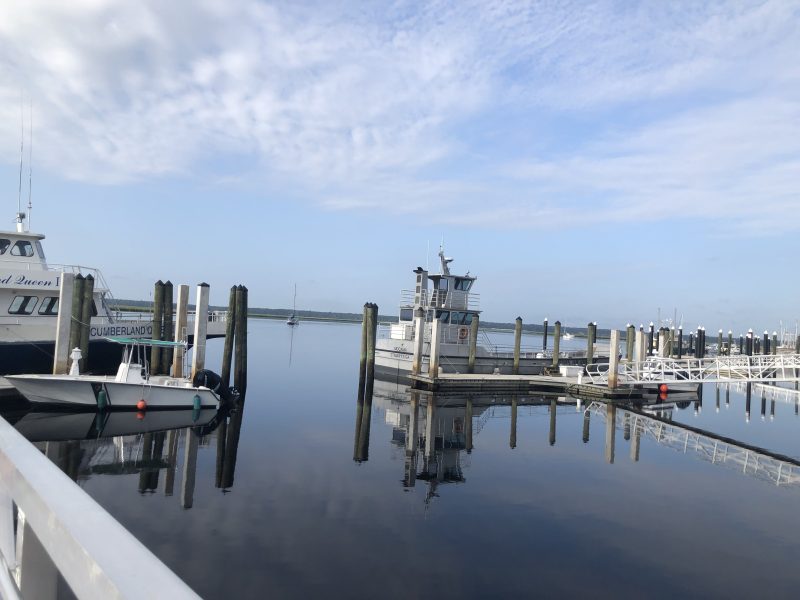
| CITY | St. Marys, Georgia |
| Patron Saint | The Virgin Mary — Mother of Jesus Christ; revered in Catholic and Anglican traditions |
| Name Meaning | Named for the Virgin Mary by English colonists establishing a parish and settlement on the St. Marys River |
| Founded | Established circa 1787; incorporated 1802 — one of the oldest cities in Georgia |
| State | Georgia |
St. Marys, Georgia
History – The Quiet Town at the Edge of a Wilderness
St. Marys, Georgia sits at the mouth of the St. Marys River on the Florida-Georgia border, separated from the wild, roadless barrier island of Cumberland Island by just a short stretch of water. It is the smallest city covered in this guide and, in many ways, the most quietly extraordinary. While St. Augustine overwhelms with its depth and St. Simons enchants with its beauty, St. Marys asks you to slow down, pay attention, and discover what has been here all along.
The town traces its European origins to the 1780s, when it was laid out as a planned community near the site of earlier Spanish and English trading activity along the St. Marys River. The river itself formed the boundary between Spanish Florida and British Georgia, a political borderline that made St. Marys a place of strategic importance, smuggling, espionage, and cultural mixing throughout the colonial period. During the War of 1812, British forces actually occupied St. Marys, using it as a base of operations before withdrawing.
The town’s most consequential modern chapter has been its relationship with the United States Navy. Naval Submarine Base Kings Bay, located just north of St. Marys, is the East Coast home of the Navy’s Trident submarine fleet, the most powerful nuclear deterrent force in American history. The juxtaposition of this historic, Spanish-moss-draped town with one of the most formidable military installations in the world is quintessentially American: the ancient and the arsenal, living side by side.
But St. Marys is best known today as the gateway to Cumberland Island National Seashore, sixteen miles of pristine, undeveloped barrier island accessible only by ferry, home to wild horses, sea turtles, ancient ruins, and some of the most unspoiled natural landscape remaining on the Eastern Seaboard. The island’s combination of wilderness and history including the ruins of Dungeness, the Carnegie family’s Gilded Age estate, makes it one of the great day trips in the American South.
Cumberland Island – Pro-tip – bring your best walking shoes, a hat and bug spray. The tour is worth it.
Culture — Small Town, Deep Roots, Wide Horizons
St. Marys has the character of a town that knows exactly what it is and does not need to apologize for it. The historic waterfront district is compact, walkable, and genuinely lived-in — not a theme park version of a historic town but the real article, with local restaurants, an independent bookstore, a small museum, and residents who will stop to chat with visitors because that is simply what you do here.
The Gullah-Geechee cultural presence is strong in this corner of Georgia, and the relationship between the town’s African American community and the land, the water, and the sea that surrounds them is a living cultural force rather than a historical exhibit. The annual Rock Shrimp Festival celebrates the town’s seafood heritage and draws visitors from across the region in a celebration of local flavor, local music, and local pride.
The town also has a quiet but genuine literary tradition. The wild isolation of Cumberland Island, just across the water, has attracted writers, naturalists, and artists for generations, and St. Marys serves as both their jumping-off point and their safe harbor. There is something about a place that sits at the edge of a true wilderness that sharpens the mind and loosens the imagination.
Things to See & Do
- Cumberland Island National Seashore: The crown jewel. Take the National Park Service ferry from St. Marys to an island of wild horses, ancient dunes, sea turtle nesting beaches, and the ruins of the Carnegie family’s Dungeness estate. Book ferry tickets in advance, access is deliberately limited to preserve the wilderness.
- St. Marys Submarine Museum: A surprisingly excellent museum dedicated to the history of submarine warfare, with special emphasis on the Kings Bay Trident submarine base. Features an actual periscope visitors can operate to survey the St. Marys River. Unique and genuinely fascinating.
- St. Marys Historic Waterfront District: A beautifully preserved antebellum streetscape along the river. The orange trees planted along the waterfront bloom in spring with intoxicating fragrance. Architecture from the late 1700s and early 1800s lines streets that have changed little in their basic character.
- Oak Grove Cemetery: One of the most atmospheric historic cemeteries in Georgia, with graves dating to the early nineteenth century amid enormous live oaks. A quiet place of beauty and reflection.
- Kayaking the St. Marys River: The river system here is one of the most biologically diverse in the Southeast — blackwater streams, salt marshes, and tidal creeks full of birdlife, alligators, otters, and fish. Guided kayak tours operate from the waterfront.
- The Lang House & Orange Hall: Two of the finest examples of antebellum architecture in coastal Georgia, both in the historic district. Orange Hall, built in 1829, is a Greek Revival masterpiece and now operates as a welcome center.
- Rock Shrimp Festival: Held each October, this beloved local festival celebrates the region’s seafood heritage with live music, food vendors, arts and crafts, and the community spirit of a small town at its best.
The Saints Are Still Here
There is something quietly remarkable about traveling through places that have carried a saint’s name for four, five, or six centuries. The name was not just a label, it was a prayer, an invocation, a declaration of faith pressed into geography by people who believed that the land they were entering needed not just claiming but blessing. Whether or not you share that faith, whether or not you think about it at all as you drive these roads and walk these streets, something of that original intention has survived. It is in the architecture and the light and the particular quality of attention these places ask of their visitors.
St. Augustine asks you to reckon with age and with the layered, often brutal, sometimes luminous story of a continent’s beginning. St. Simons Island asks you to stand in ancient oaks and marshes and feel something larger than yourself, the weight of empire, the persistence of culture, the beauty of a landscape that has not entirely been tamed. St. Marys asks you to cross a small stretch of water to a place where the twenty-first century has not yet fully arrived, and to sit quietly in that rarity for as long as you can.
All three were named in faith. All three have been tested. And all three are, in their own ways, still worthy of the names they carry.
 Quarter Miles Travel with Annita • Every mile has a story. Go find it.
Follow Annita on Facebook – Annita Stokes Thomas and Instagram – AnnitaAndFriends

0 Comments