

Ten Things You Should Know About
Buffalo Soldiers
It’s Black History Month and time to highlight those we know well and others we may not know at all. Travel with Annita shares the Ten Things You Should Know About The Buffalo Soldiers.
Facing discrimination, segregation and inequality, they created a force of determination, commitment and patriotism to build a foundation and legacy. Here are ten things you may not know about them.
And, listen to a conversation with Bill Gordon, historian and founder of Bexar County Buffalo Soldiers. Click the link for an American story.
 1. The Name Came From Native American Nations
The nickname “Buffalo Soldiers” was given by Plains Indian tribes, including the Cheyenne, Comanche, and Apache. Many historians believe it referred to the soldiers’ fierce fighting ability and possibly their dark, curly hair, which resembled a buffalo’s mane. What began as a battlefield nickname became a badge of honor.
2. They Were Formed After the Civil War
In 1866, Congress created six all-Black Army regiments, the 9th and 10th Cavalry and the 24th and 25th Infantry (among others). These regiments were made up of formerly enslaved men, freemen, and Black Civil War veterans seeking opportunity, stability, and dignity through military service.
 3. They Served on the Western Frontier
From the late 1860s through the 1890s, Buffalo Soldiers were stationed primarily in the American West. They protected settlers, mail routes, stagecoaches, railroad crews, and cattle herds. They also built roads, telegraph lines, and infrastructure that helped shape the developing frontier.
4. They Fought in Over 170 Engagements
Buffalo Soldiers participated in more than 177 documented engagements during the Indian Wars. Key conflicts included the Red River War (1874–1875), which forced the Comanche, Kiowa, and Southern Cheyenne onto reservations. Their role in these conflicts reflects a complex legacy — serving a government that often oppressed both Native Americans and Black Americans. Although their lives were filled with discrimination and segregation their war duties required removing Native Americans from their lands.
5. They Faced Racism Within the Army
Although they served bravely, Buffalo Soldiers were often given inferior equipment, poor-quality horses, harsh assignments, and were commanded by white officers. They endured discrimination even as they defended the nation. To their credit and legacy, they continued to stay commitment to their jobs and to the military.
6. They Earned Medals of Honor
Despite the discrimination they faced, Buffalo Soldiers distinguished themselves in combat. More than 20 Buffalo Soldiers received the Medal of Honor for bravery and extraordinary service, a testament to their courage under fire.
 7. They Served Beyond the Frontier
Buffalo Soldiers also served in the Spanish-American War in 1898, fighting in Cuba at battles such as San Juan Hill. They later served in the Philippines and along the U.S.–Mexico border, expanding their role beyond the American West. Their roles and duties extended beyond the U.S. borders and the areas that were becoming part of our country.
8. They Became Some of America’s First Park Rangers
After the Indian Wars, Buffalo Soldiers were assigned to protect national parks, including Yosemite and Sequoia in California. Long before the National Park Service was formally established in 1916, they built roads, patrolled lands, fought wildfires, and enforced conservation laws.
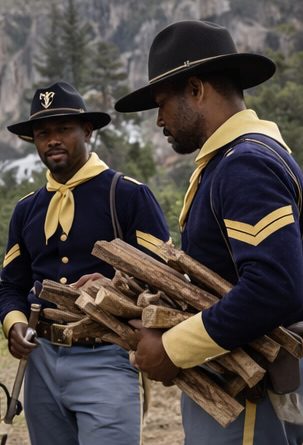 9. They Served With Pride and Professionalism
Despite limited recognition at the time, Buffalo Soldiers developed a reputation for discipline, reliability, and professionalism. The 10th Cavalry even incorporated the buffalo into its regimental crest; they embraced the nickname with pride.
10. Their Legacy Lives On
The Buffalo Soldiers were officially disbanded in 1951 when the U.S. military was integrated. Today, their legacy is preserved in museums, historic sites, reenactment groups, and military honors across the country. They represent resilience, service, and a commitment to country in the face of injustice.
0 Comments