
Travel Well: The New Essential Skill
Every Traveler Needs
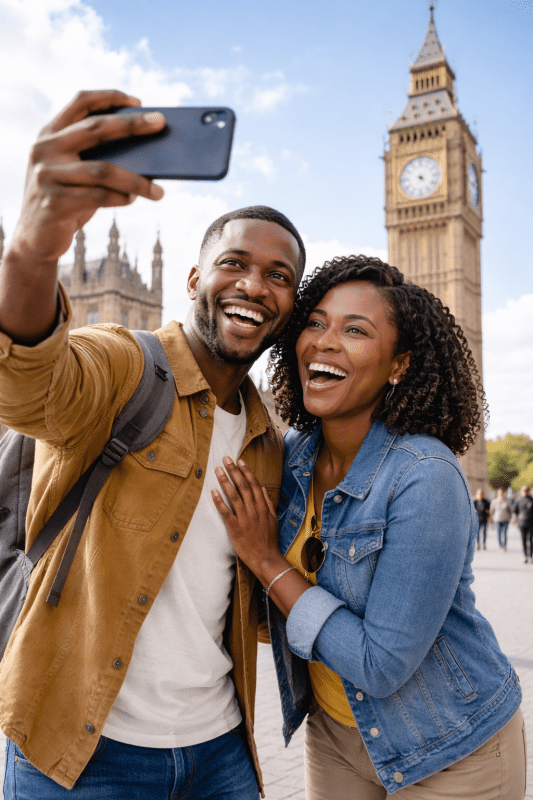
There’s no doubting – Travel Well – the new essential skill every traveler needs. There’s a moment most seasoned travelers recognize. You’re sitting at the gate, watching the quiet choreography of travel unfold as boarding groups forming, carry-ons rolling, coffee cups balancing in tired hands, and then you hear it. A deep cough. A persistent sneeze. The unmistakable sound of someone trying to push through a trip while their body is clearly asking for rest.
It’s a reminder of something we don’t talk about enough: travel wellness. For years, travel advice focused on packing smart, scoring upgrades, or finding the best hidden restaurants. But today, experienced travelers know something else matters just as much; and that is without a doubt – staying healthy, staying safe, and traveling in a way that allows you to fully experience the places you’ve worked so hard to reach.
Traveling well isn’t about fear or restriction. It’s about preparation, awareness, and respect for yourself, your fellow travelers, and the communities welcoming you.
Come along with Boris and Natasha as they take a long awaited vacation following the wellness tips.
Start Before You Leave:
Healthy Travelers Travel Better

Chronic conditions are best addressed before leaving. Your doctor can recommend wellness tips and steps for your trip.
The best travel wellness plan begins before you ever step into the airport, train or bus station or load-up the car. If you’re feeling genuinely sick, it may be worth delaying travel when possible. Airports, airplanes, trains and buses are shared environments, and pushing through illness often means longer recovery and less enjoyable travel.
Before traveling, make sure you’re up to date on routine vaccines, including seasonal flu shots. If you’re heading overseas, check whether vaccines or preventive medications are recommended for your destination. If you have underlying health conditions especially heart-related or chronic conditions, a quick check-in with your healthcare provider can help you travel more confidently. Think of it this way: you insure your trip. Why not insure your health? For international destinations, your public health department may have a travel department with loads of information about the latest health and wellness needs for each country. They are in close contact with the CDC (Center for Disease Control).
Small Habits, Big Protection

The CDC recommends: Twenty seconds to wet hands, apply soap, lather and scrub all surfaces (including backs of hands, between fingers, and under nails), rinse, and dry.
Good hygiene is still one of the simplest, most powerful travel tools.
Wash your hands often, especially after security checkpoints, public transit, or shared surfaces. A good way to remember is – wash hands after touching hard surfaces. The best defense is to carry hand sanitizer for moments when handwashing isn’t possible.
And when you cough or sneeze, cover it with a tissue or into the fold-of-your-arm (if no tissues are available). It’s basic courtesy and smart travel behavior.
Climate, Sun, and Heat:
The Silent Travel Stressors
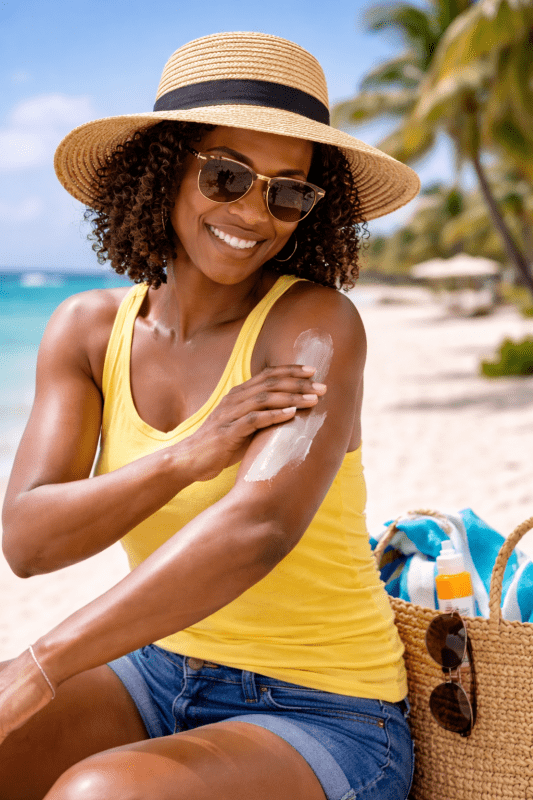
Travelers regardless of skin tones should apply sunscreen before going in the sun and after swimming reapply.
Travel often puts you into climates your body isn’t used to. Heat and sun exposure can catch travelers off guard, especially when you’re distracted by sightseeing.
Stay ahead of heat-related illness by:
-Drinking water regularly. Heat exhaustion can build quietly. Hydration is your best defense.
-Eating consistently
-Wearing hats or sun protection
-Using sunscreen (SPF 15 or higher — higher is usually better)
Insects, Animals, and Water:
Respect the Environment

A natural response is to help animals in need. Caution is your best answer. Animals are most likely not health and their response may not be friendly.
In many parts of the world, insect protection isn’t optional, it’s essential. Using insect repellent protects against diseases carried by mosquitoes and other insects. It is not just smart, but can be lifesaving. Test your insect repellent choice before leaving home to ensure you have no allergies or reactions to its contents. Your local health department or travel doctors can provide recommendations.
Avoid petting unfamiliar animals, even if they seem friendly. Animal bites and exposure risks vary worldwide. Traveling international? Check with your health department for recommended vaccines, such as rabies for areas where contact with potential rabid animals is possible. It is very natural response to want to help wounded and hungry dogs and cats. Contact local rescue services or ask your hotel concierge for next steps to assist animals in need.
When swimming, chlorinated pools are safest. Natural water sources like lakes and rivers may look beautiful, and sometimes are safe, but in some destinations they can carry bacteria or parasites.
Symptoms from waterborne bacteria and parasites typically appear anywhere from 1 day to 2 weeks after exposure, though some bacterial infections like E. coli can show up in hours, while parasites like Giardia often take 1–3 weeks. Common signs include diarrhea, cramps, nausea, and fever.
Enjoy walking along waterways or stopping to relax and reflect.
Eating Smart Without Missing the Joy of Food
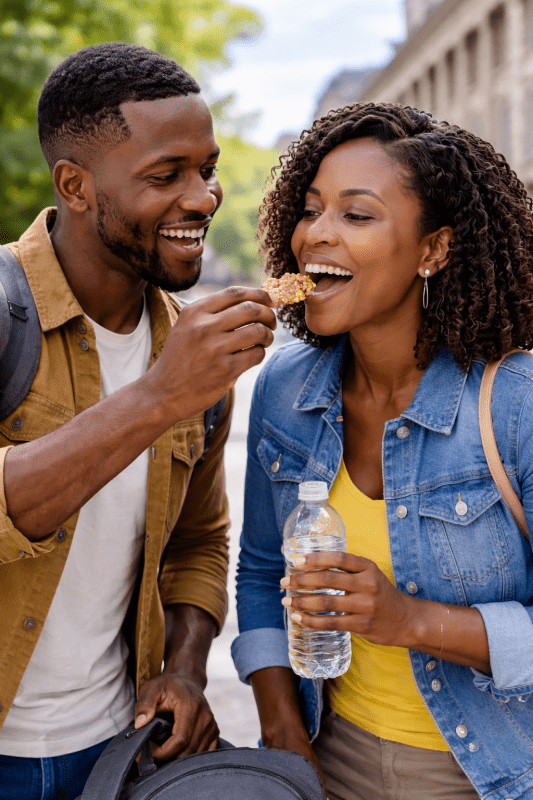
Bring along healthy snacks and bottled water to keep you energized and hydrated.
Food is culture. It’s celebration. It’s connection. And you should absolutely experience it. But in destinations where water systems may differ from what your body is used to, a few smart choices help protect your trip:
-Choose foods that are fully cooked and served hot.
-Stick with pasteurized dairy.
-Drink sealed bottled beverages.
-Skip ice unless you know it’s made from purified water.
-Wash and peel fruits and vegetables yourself when possible.
Street food can be fantastic — just choose vendors where food is freshly prepared and hot.
Personal Safety Is Part of Travel Wellness

Fun and safety can go hand in hand. Helmets on bikes and seatbelts in cars equals smart travel.
Good travel decisions go beyond health, they include physical safety too. There is no such thing as being too careful; especially when it comes to your health and safety.
Here are a few tips to keep in mind:
-Never drink and drive anywhere in the world.
-Wear helmets when biking or riding motorcycles
-Always wear a seatbelt
Be mindful when participating in recreational activities, including swimming, hiking, or adventure sports. Listen to local safety guidance. And when crossing streets abroad, remember traffic rules and patterns may be very different from home.
Travel insurance policies can include medical care. Research policies which work well for everyone traveling.
Know Before You Go: Local Awareness Matters

Staying clear of protests and marches in other countries is the best response. Anti-American sentiment could be part of the platform. Return to your hotel or a safe place.
Turning your attention from fun to caution isn’t what you planned for your vacation. However, following your instincts and also local rules can mean the difference between injury, arrest or even fatalities in challenging situations.
Here are a few basic tips to follow when traveling locally or abroad.
-Learn basic local road rules and customs
-Stay alert in crowds
-Avoid political protests or rallies. Even peaceful ones can change quickly
-Carry a copy of your passport or government issued ID
-Share your itinerary with someone at home
-Make a plan to reconnect if you become separated from your travel companions
-If you plan to be out late, let your hotel front desk or concierge know
Smart Hotel and Local Safety Strategies

Recommendations from hotel concierge are a good choice for local trends and popular hot spots.
Folks who live in the area generally know all the trending, fun and hot spots to visit. Their knowledge can be invaluable for adding something new to your itinerary or confirming something you’ve already researched. Any concerns you may have for visiting attractions, restaurants or walking around, let them know and be firm about wanting information which suits your needs. While their favorite spot maybe fun and safe for the next travelers, it may not be your cup-of-tea.
Take a few moment to ask hotel staff where to eat, what to see, and which areas to avoid. Local knowledge is priceless. Always carry your phone and charger.
While it may sound like a simple suggestion, make sure you know your hotel’s name, address, and phone number. In large cities many hotels have the same name as they’re located around the city.
When booking your accommodations choose hotels in areas with consistent activity. Business districts can become very quiet at night or on weekends.
If your choice is a short-term rental accommodation (Airbnb, VRBO) talk with the host to help with planning. Become aquatinted with them. It’s human nature to feel more connected to people we know. Hosts can be very helpful with planning activities around the area. Don’t be shy about asking questions.
The Real Goal:
Travel That Feels Good, Not Just Looks Good

Travel smart for a fun, safe and healthy getaway.
The truth is simple. The best travel experiences happen when you feel strong enough to enjoy them. Travel wellness isn’t about limiting yourself. It’s about giving yourself the best chance to fully live the experience and enjoy the food, the people, the landscapes, the quiet moments that become lifelong memories.
Travel is one of life’s greatest teachers. It opens doors, widens perspectives, and connects us to the world in ways nothing else can.
Taking care of yourself while you travel isn’t cautious. It’s wise. It’s respectful.
And it’s the best way to make sure the journey stays as meaningful as the destination.
Because the best trips aren’t just the ones you take. They’re the ones you’re healthy enough to truly experience and create lifelong memories.
Safe travels. ❤
**Visit the CDC website for more information on travel wellness.


0 Comments